Site C Project Far From Clean and Green, Finds New UBC Report

By Carol Linnitt • Monday, July 18, 2016

The Site C dam, advanced as the province’s showcase clean energy project by the B.C. government, according to a new report from the University of British Columbia.

Authored by Rick Hendriks from Camerado Energy Consulting, the report found Site C, a BC Hydro megadam proposed for the Peace River near Fort St. John, will not provide energy at a lower greenhouse gas (GHG) emission rate than other alternative energy projects.

The government stated that the unprecedented level of significant adverse environmental effects from Site C are justifiable, in part, because the project delivers energy and capacity at lower GHG emissions than the available alternatives,” Hendriks, an energy consultant with more than 20 years experience analyzing large-scale hydropower projects, said.

Our analysis indicates this is not the case.”

Comparing BC Hydro’s own data on Site C and alternative energy scenarios, the report found the megadam provides no substantial benefit over other renewable sources like wind and solar.

I feel like the discussion in the public has made a few assumptions about the Site C dam that merit reexamination,” Karen Bakker, professor of geography at UBC and Canada Research Chair in Political Ecology, told DeSmog Canada.

The assumption that Site C is clean and green is one that we actually need to scrutinize rather than assume,” she said.

Bakker, who oversaw the new greenhouse gas analysis, is one of several scholars who recently found the Site C project represents the largest amount of significant adverse environmental impacts ever reviewed under the Canadian Environmental Assessment Act since its introduction into law.

She said although the joint federal-provincial review panel tasked with considering the Site C project did some good work, they were limited in resources and scope when it came to a fulsome project analysis. The panel did not consider the greenhouse gas emissions associated with the project.

That’s the simple way to sum up why we’re doing what we’re doing,” she said.

Bakker said the report did not conduct an independent review of BC Hydro’s own greenhouse gas estimates for the project, but said, “even using their own numbers Site C is not cleaner or greener than other renewables.”

Our analysis suggests that other renewables like wind and solar would help Canada achieve its climate change goals more quickly and cheaply and with much lower environmental impact than Site C.”

Bakker said the new report highlights the need for more thorough analysis of Site C’s environmental impacts. She added more research, which doesn’t rely on BC Hydro’s estimates, needs to be conducted.

There’s much more to be done,” she said. “It would be great if this had been studied and geothermal had been examined as well.”

The Site C dam will power a proposed 1100-megawatt electricity facility, producing far more electricity than B.C. is projected to need for roughly two decades.

Local farmers, landowners and First Nations say the dam, which will flood 107 kilometres of the Peace River valley, will unnecessarily destroy wildlife habitat, First Nations archaeological and hunting sites and some of the province’s most productive agricultural land.

The chair of the Site C Joint Review Panel, Harry Swain, has come out against the project, saying B.C.’s domestic electricity demand has not significantly increased since 2007, meaning the province has no need for the estimated $9-billion project.

I think we’re making a big mistake, a very expensive one,” Swain recently told DeSmog Canada. “Of the $9 billion it will cost, at least $7 billion will never be returned. You and I as rate payers will end up paying $7 billion bucks for something we get nothing for.”

There is no need for Site C,” Swain said. “If there was a need, we could meet it with a variety of other renewable and smaller scale sources.”

Source: Site C Project Far From Clean and Green, Finds New UBC Report | DeSmog Canada

Study: Smartphone alerts increase inattention — and hyperactivity

CHARLOTTESVILLE, Va., May 9, 2016 — Society’s increasingly pervasive use of digital technology may be causing ADHD-like symptoms even among the general population, according to a new study of college students presented this week in San Jose, California at the Human-Computer Interaction conference of the Association for Computing Machinery.

“Less than 10 years ago, Steve Jobs promised that smartphones ‘will change everything,'” said Kostadin Kushlev, a psychology research scientist at the University of Virginia, who led the study with colleagues at the University of British Columbia. “And with the Internet in their pockets, people today are bombarded with notifications – whether from email, text messaging, social media or news apps – anywhere they go. We are seeking to better understand how this constant inflow of notifications influences our minds.”

Kushlev said that recent polls have shown that as many as 95 percent of smartphone users have used their phones during social gatherings; that seven in 10 people used their phones while working; and one in 10 admitted to checking their phones during sex. Smartphone owners spend nearly two hours per day using their phones.

The researchers designed a two-week experimental study and showed that when students kept their phones on ring or vibrate, they reported more symptoms of inattention and hyperactivity than when they kept their phones on silent.

“We found the first experimental evidence that smartphone interruptions can cause greater inattention and hyperactivity – symptoms of attention deficit hyperactivity disorder – even in people drawn from a nonclinical population,” Kushlev said.

During Kushlev’s and his colleagues’ study, 221 students at the University of British Columbia drawn from the general student population were assigned for one week to maximize phone interruptions by keeping notification alerts on, and their phones within easy reach. During another week participants were assigned to minimize phone interruptions by keeping alerts off and their phones away. At the end of each week, participants completed questionnaires assessing inattention and hyperactivity. The results showed that the participants experienced significantly higher levels of inattention and hyperactivity when alerts were turned on.

The results suggest that even people who have not been diagnosed with ADHD may experience some of the disorder’s symptoms, including distraction, difficulty focusing and getting bored easily when trying to focus, fidgeting, having trouble sitting still, difficulty doing quiet tasks and activities, and restlessness.

“Smartphones may contribute to these symptoms by serving as a quick and easy source of distraction,” Kushlev said.

Kushlev emphasized, however, that ADHD is a neurodevelopmental disorder with a complex biological and environmental etiology.

“Our findings suggest neither that smartphones can cause ADHD nor that reducing smartphone notifications can treat ADHD,” he said. “The findings simply suggest that our constant digital stimulation may be contributing to an increasingly problematic deficit of attention in modern society.”

The silver lining is that the problem can be turned off.

“Importantly, we found that people can reduce the harmful effects of overstimulation by smartphones simply by keeping their phones on silent and out of easy reach whenever possible, thus keeping notifications at bay,” Kushlev said.

His research colleagues at the University of British Columbia are Jason Proulx, a senior research assistant, and Elizabeth W. Dunn, an associate professor of psychology.

Source: University of Virginia

Source: Study: Smartphone alerts increase inattention — and hyperactivity | Science Codex

Half of British Columbians worry they spend too much time sitting at work

UPnGO with ParticipACTION will help BC employers create a more active workplace culture

VANCOUVER, April 4, 2016 /CNW/ – For British Columbians trying to fit more physical activity into their work days, UPnGO with ParticipACTION might just be the answer. Launched today by Jane Philpott, Minister of Health, Terry Lake, Minister of Health for British Columbia, and Elio Antunes, President and CEO of ParticipACTION, this innovative new workplace wellness program nudges and rewards Canadians for sitting less and moving more at work.

Workplace physical activity initiatives have been proven to increase productivity and job performance, boost creativity, reduce turnover and improve employee satisfaction and loyalty. However, according to a new survey from ParticipACTION, 48 percent of British Columbians worry they spend too much time sitting at work, with 46 percent saying they spend too much time sitting in meetings. These sedentary lifestyles contribute to obesity and can increase the risk of developing chronic diseases such as Type 2 diabetes, heart disease, and cancer.

UPnGO with ParticipACTION seeks to create healthier workplaces by supporting employees at all levels in making physical activity both accepted and expected in the workplace. Through an innovative digital platform and app, the program provides employees with weekly challenges and personalized goals based on their self-described level of activity and sitting time. UPnGO then rewards users’ achievements with points that can be redeemed in the online store for healthy products such as a Pilates kit, gift certificates to Mountain Equipment Co-op or donations to specific charities.

UPnGO is being piloted in five BC workplaces, including TELUS, the City of Richmond, the University of British Columbia, Providence Healthcare and AutoTRADER, and will roll out in other provinces in the fall of 2016. The program is delivered in partnership by the Public Health Agency of Canada, the BC Ministry of Health, Public Inc, ParticipACTION, the Ontario Trillium Foundation and AstraZeneca and was inspired by Dr. Mike Evans’ internet video, 23 and ½ hours.

The launch of UPnGO comes just in time for ParticipACTION’s Sneak It In Week, an annual campaign that runs from April 4-8 and encourages Canadians to ‘sneak’ some physical activity into their work day. For more information, or to inquire about introducing UPnGO with ParticipACTION to your workplace, please visit www.upngo.ca.

Quick Facts

  • For many Canadians, work involves sitting down in front of a computer for hours at a time, with only 20% of us getting enough daily exercise. 62% of Canadian adults are overweight with the average Canadian adult spending 9.8 hours a day being sedentary.
  • According to a recent survey, British Columbians are interested in changing their ways at work by standing (38%), stretching (51%) or walking outside during meetings (53%).
  • UPnGO with ParticipACTION will be implemented in additional provinces across Canada in the coming months to help more Canadians break the pattern of sedentary lifestyles in the workplace.
  • This is one of many partnerships made under the Government of Canada’s Multi-Sectoral Partnership Approach to Healthy Living and Chronic Disease Prevention, which invests $20 million per year in projects that focus on addressing common risk factors, such as unhealthy eating, physical inactivity, and smoking, to prevent chronic disease.
  • The Public Health Agency of Canada is investing $2.5 million over a three year period toward this initiative. With other partner funding this represents a total investment of $7.5 million.
  • Partner funding includes support through B.C.’s Provincial Health Services Authority—$3.8 million will be allocated over three years to support UPnGO.

Quotes

“Canadians know that being active is crucial to maintaining a healthy lifestyle – yet so many of us struggle to the find time to exercise. This is why I am excited about the creative and sustainable strategies UPnGO with ParticipACTION offers Canadians to incorporate physical activity into their everyday work lives. Through innovative partnerships like this one, we’re delivering projects across the country that create environments where the healthier choice is the easier choice.”
The Honourable Jane Philpott, P.C., M.P.
Minister of Health

“B.C. has always enjoyed the benefits of a very active population, but we know that by encouraging work place wellness, there is even more opportunity to reduce the risk of chronic disease. Through our partnerships with ParticipACTION and the Public Health Agency of Canada, we’re introducing strong programs like UPnGO that support British Columbians in getting up from their desks and moving.”
The Honourable Terry Lake
Health Minister, British Columbia

“UPnGO draws on the established credibility of ParticipACTION as the go-to source for all things physical activity since 1971, and offers employees fitness tracking, personal goal-setting, team challenges and rewards, all delivered through a mobile and web platform. Together with our partners, we are making sitting less and moving more expected and accepted in Canadian workplaces.”
Elio Antunes
President and CEO, ParticipACTION

“We’re excited to support and partner to help bring this unique and important program to life in Canadian workplaces – It’s aligned with our commitment to leadership in helping to improve the health and quality of life for Canadians with chronic disease.”
Lisa Marsden
Vice President, Patient Access & Established Brands
Astra Zeneca Canada
“Many of us spend most of our day at work and get caught up in the day to day activities forgetting to look after ourselves. UPnGO can change that by incorporating physical activity into the workplace. Staff can be more active and lead a healthy lifestyle resulting in a positive work environment. This program is the first of its kind in Canada and the Ontario Trillium Foundation is proud to collaborate on this forward-thinking initiative.”
Andrea Cohen Barrack
CEO, Ontario Trillium Foundation

Associated Links
UPnGO
ParticipACTION
Public Health Agency of Canada
British Columbia Ministry of Health


SOURCE Public Health Agency of Canada
Source: Half of British Columbians worry they spend too much time sitting at work

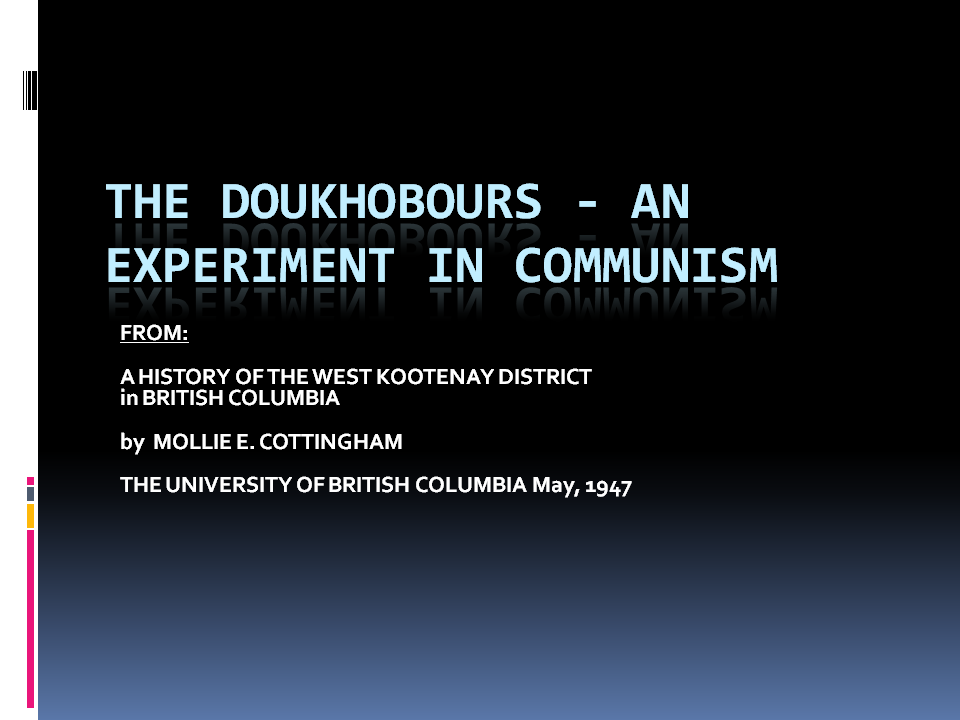
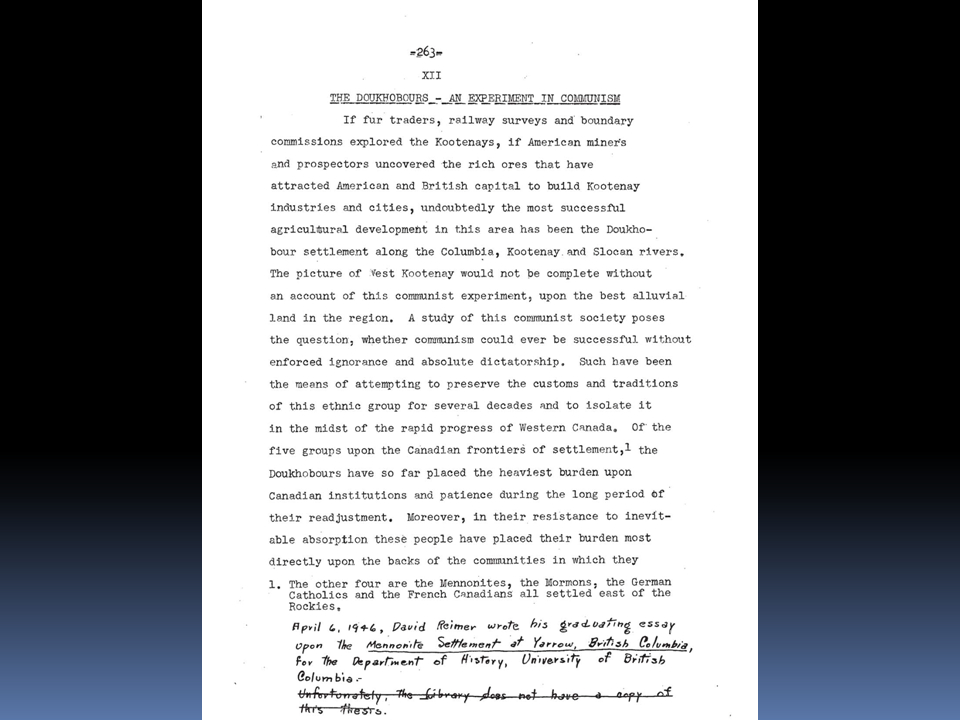
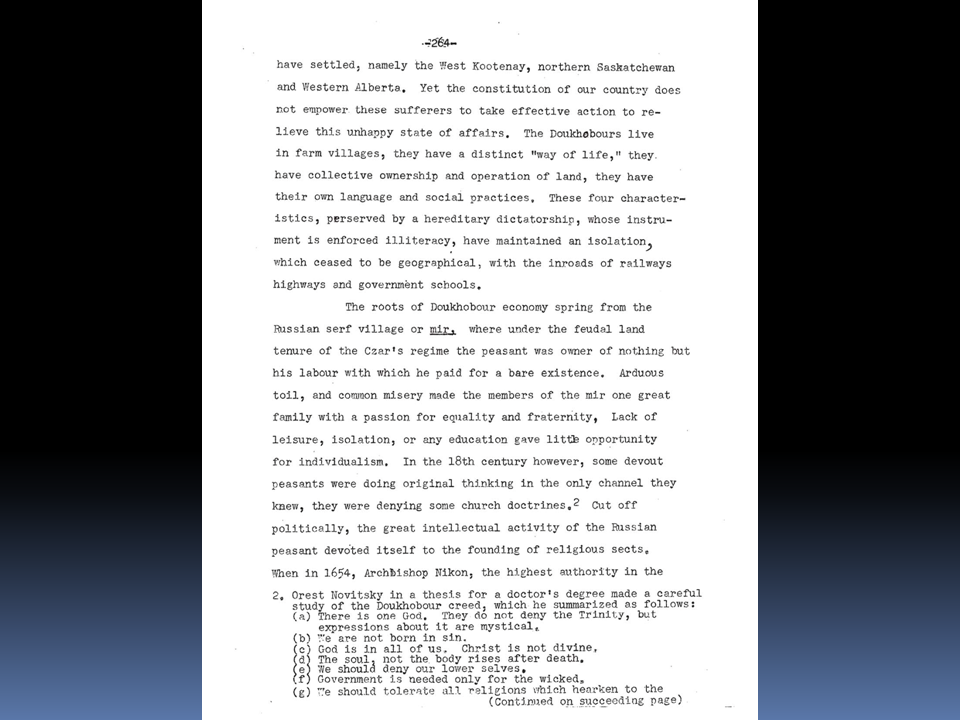
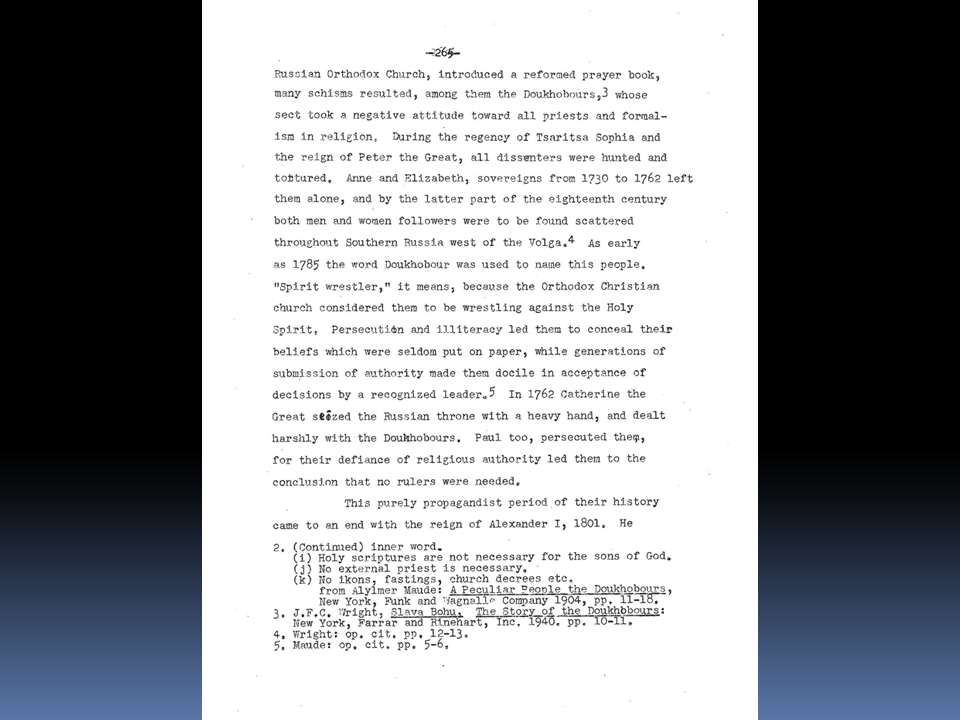
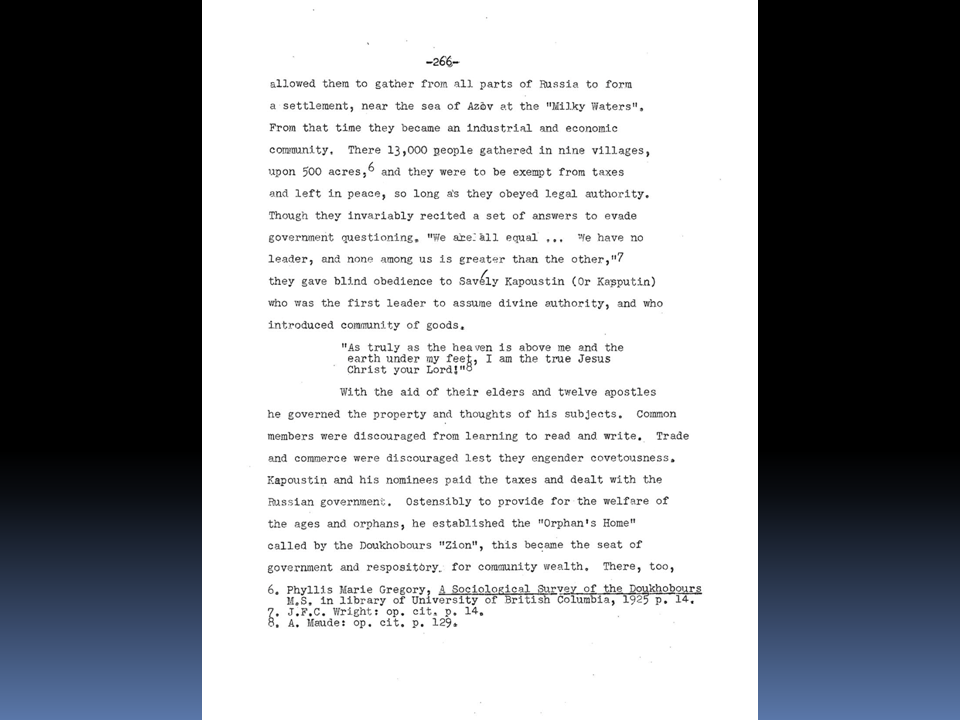
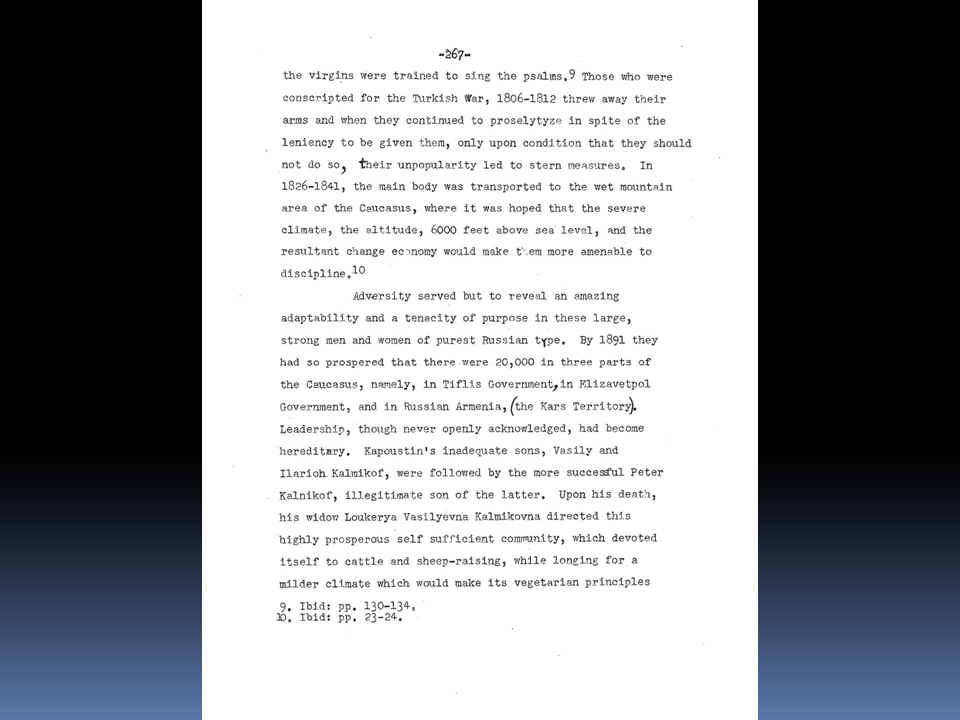
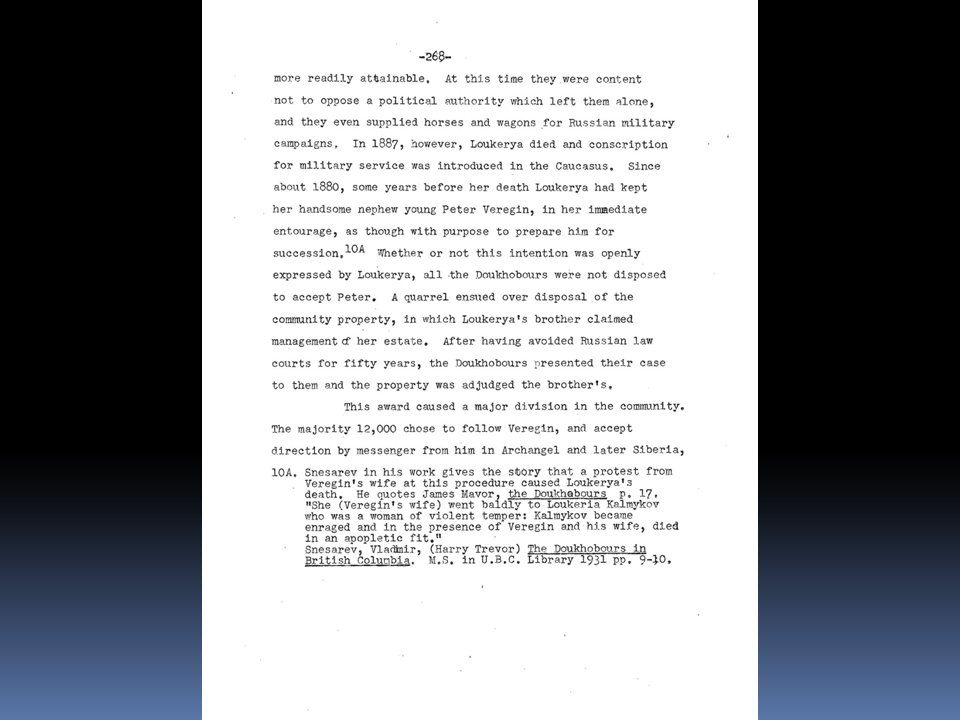
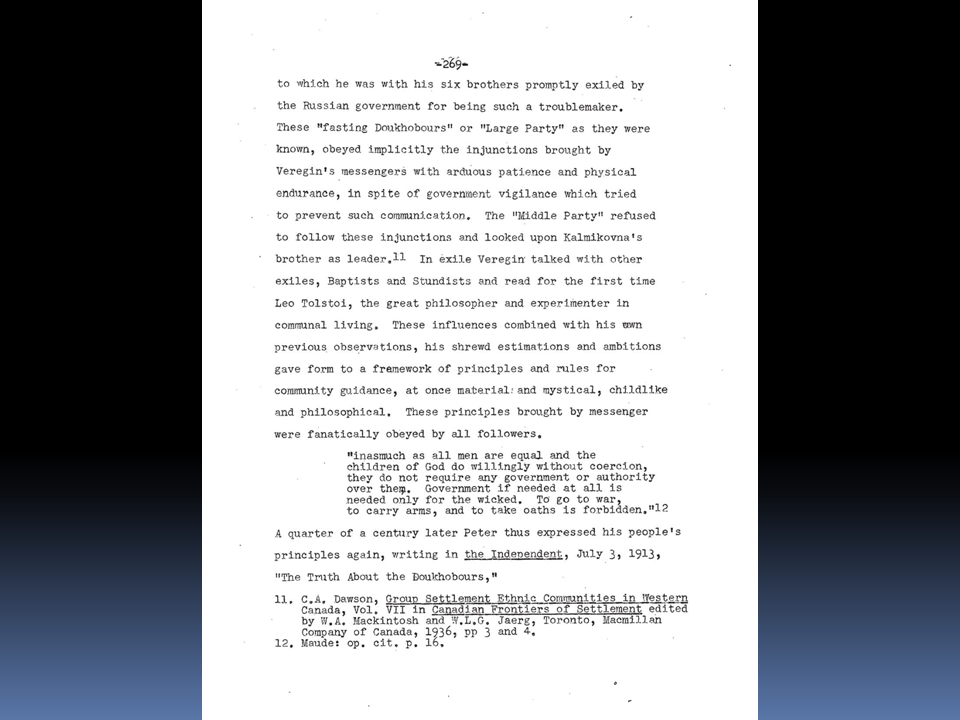
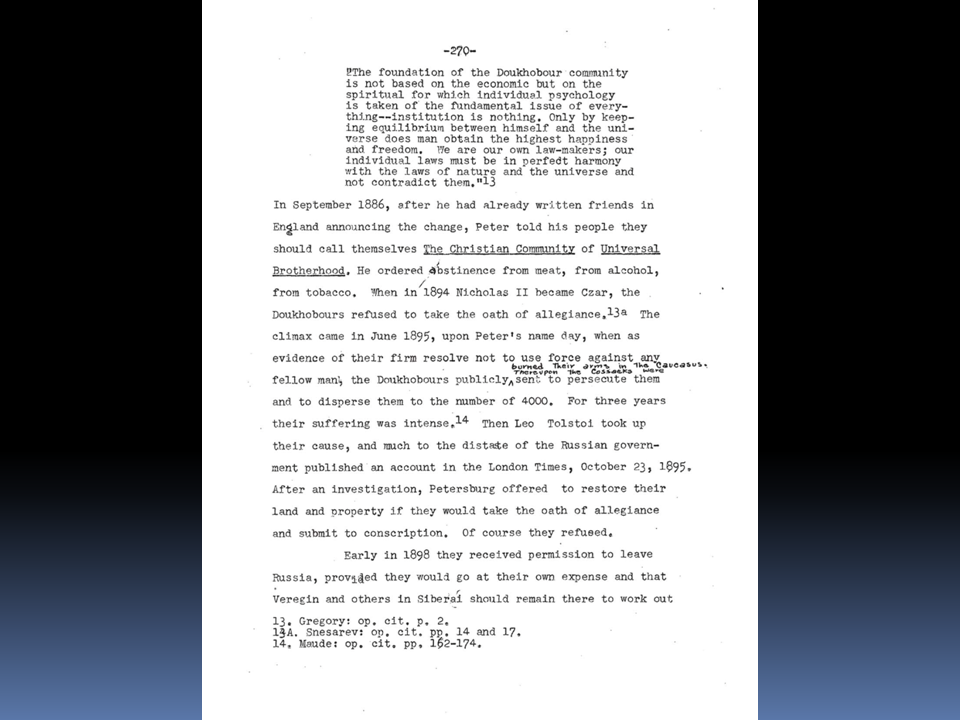
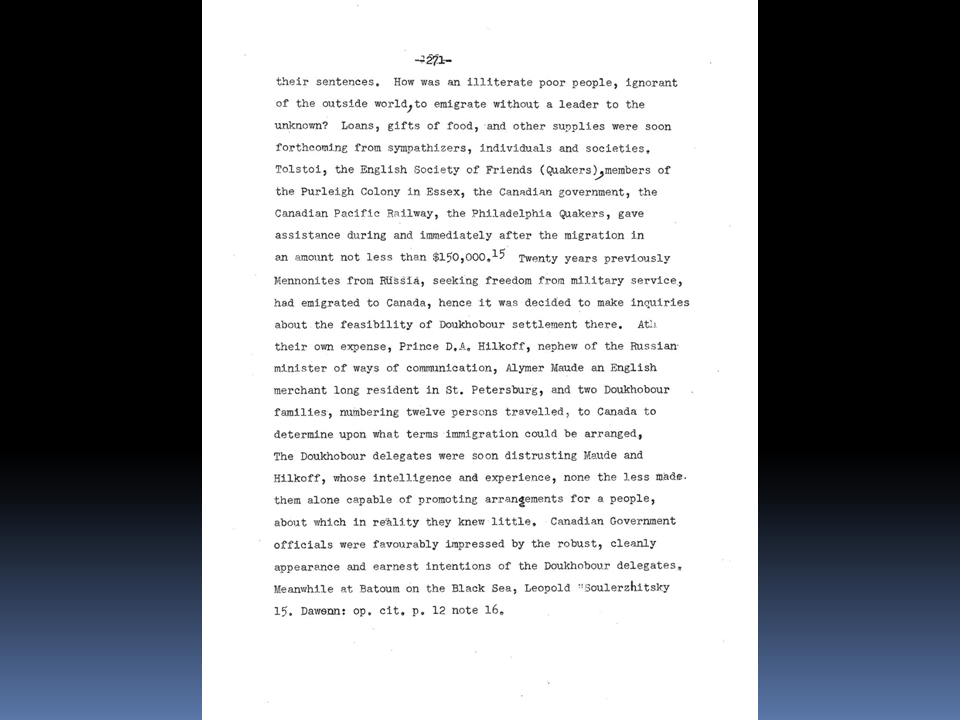
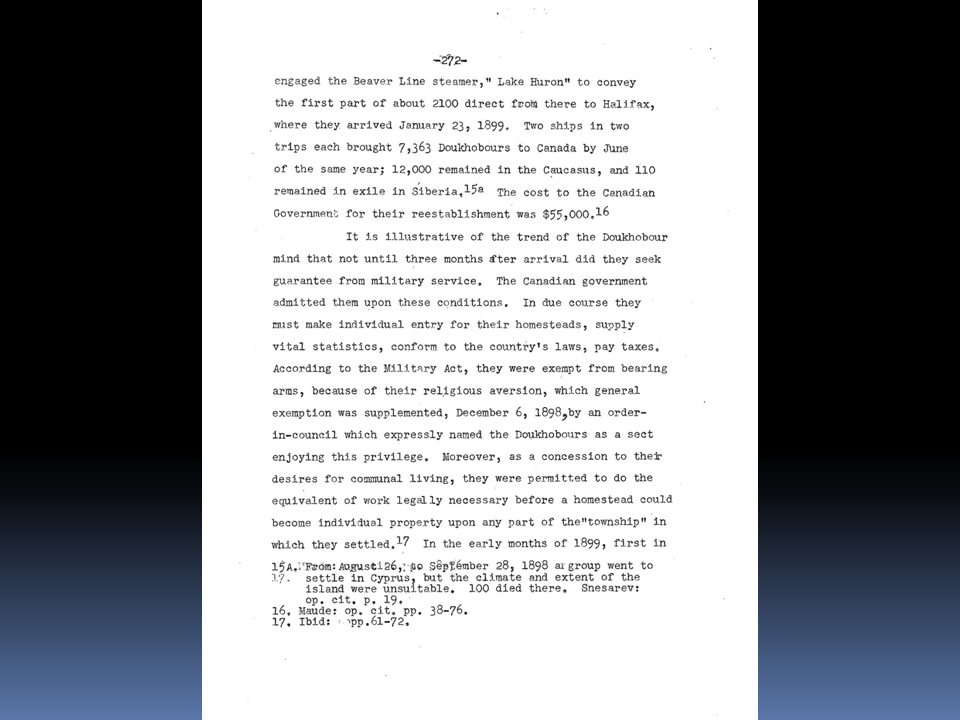
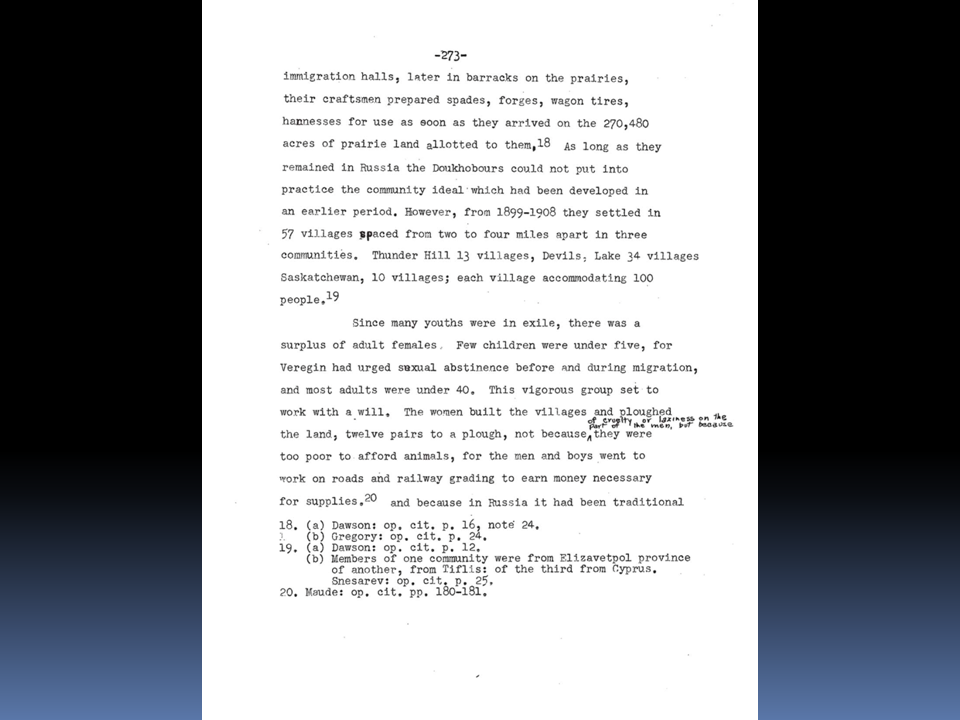
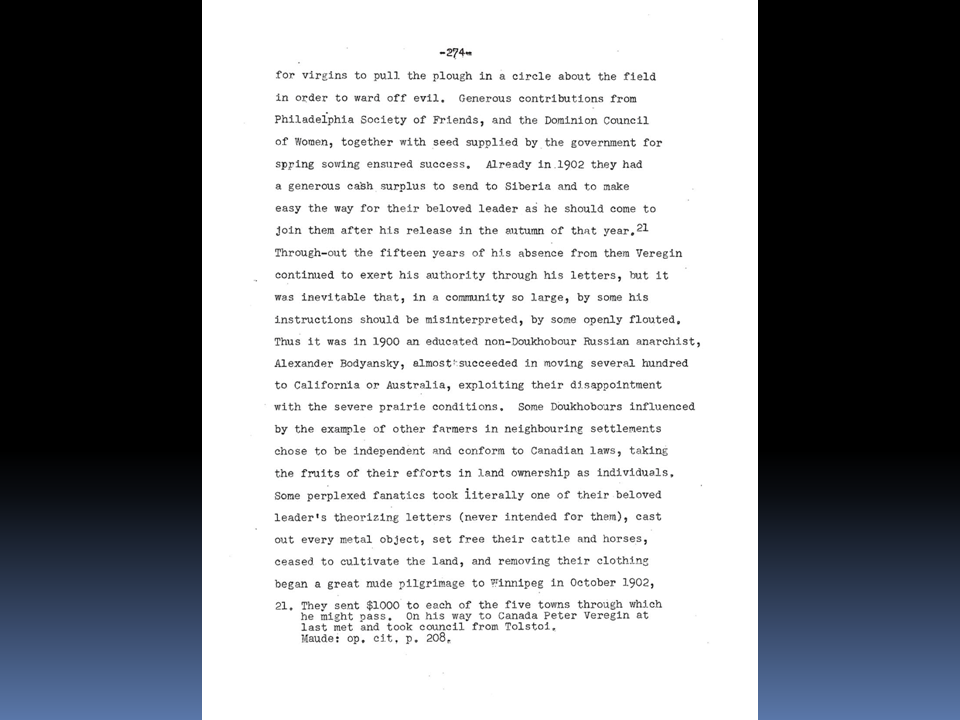
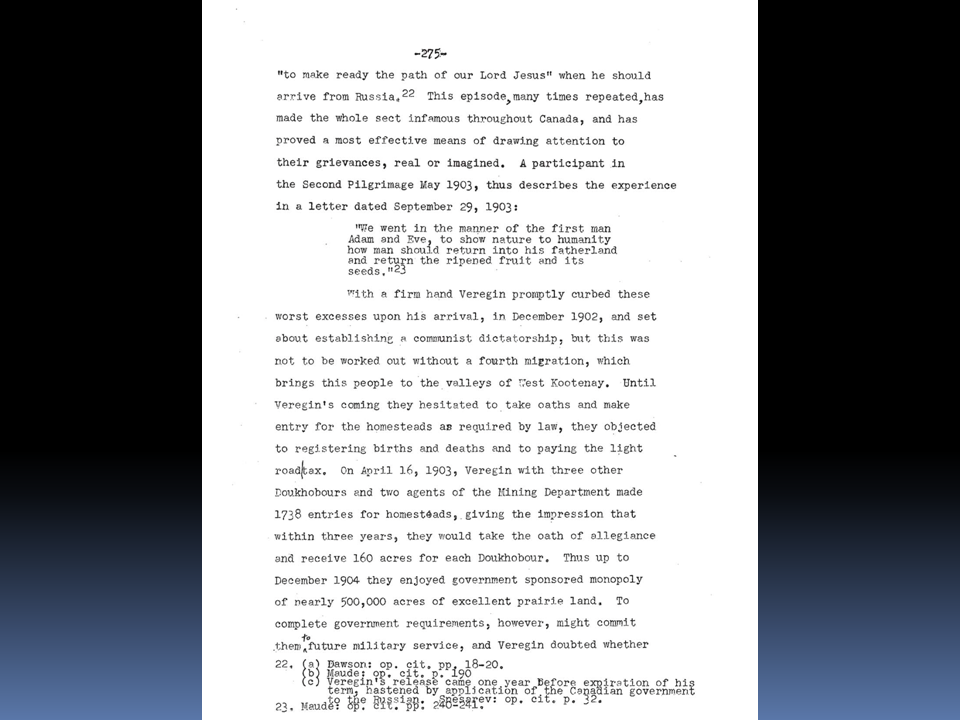
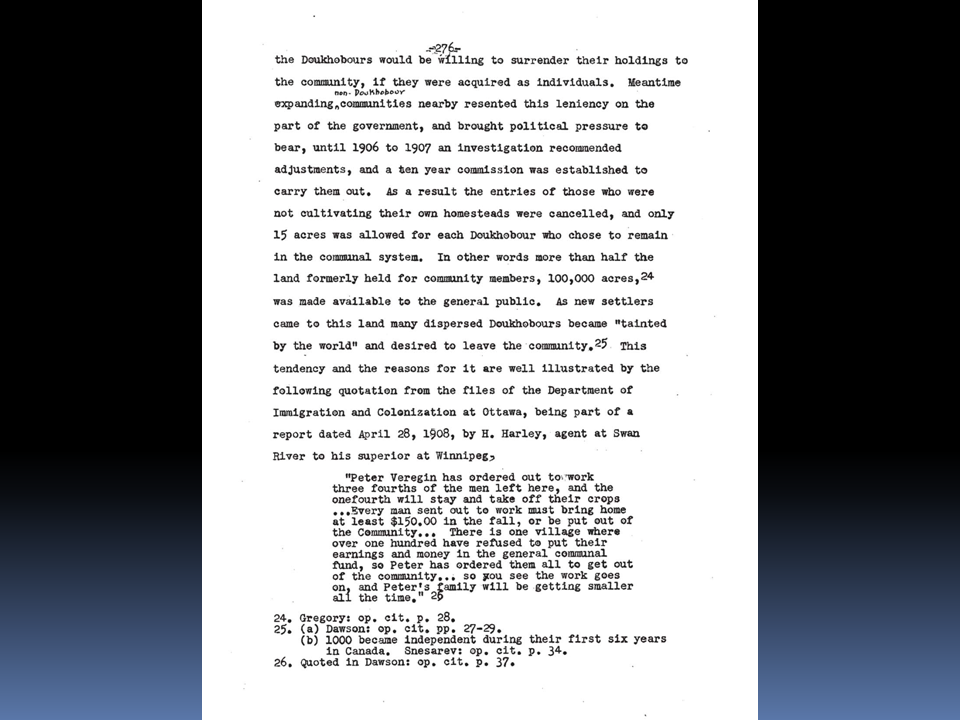
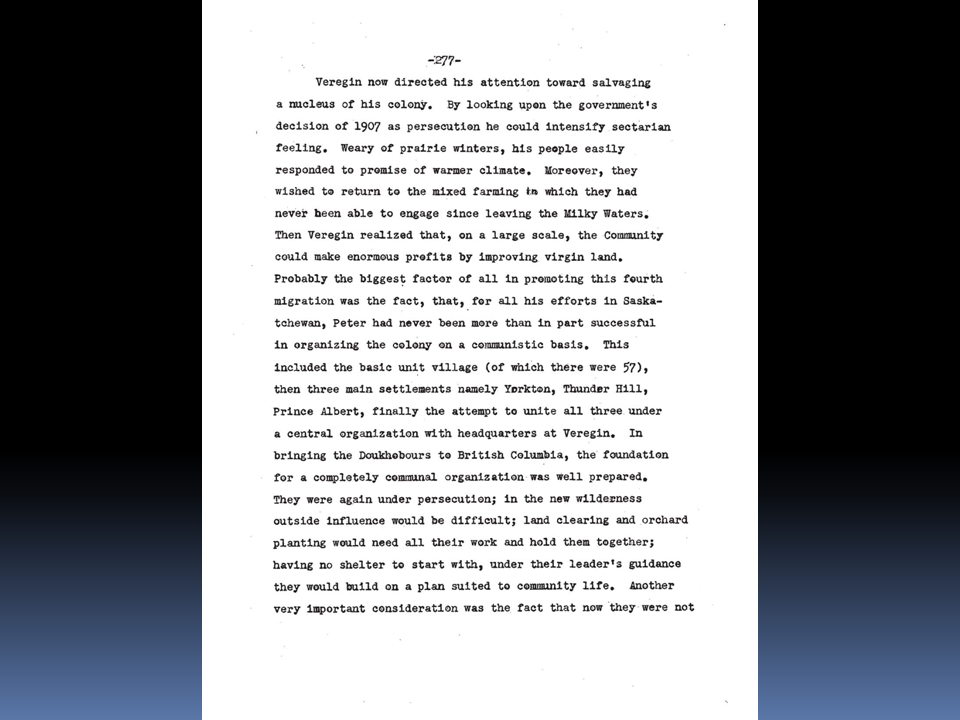
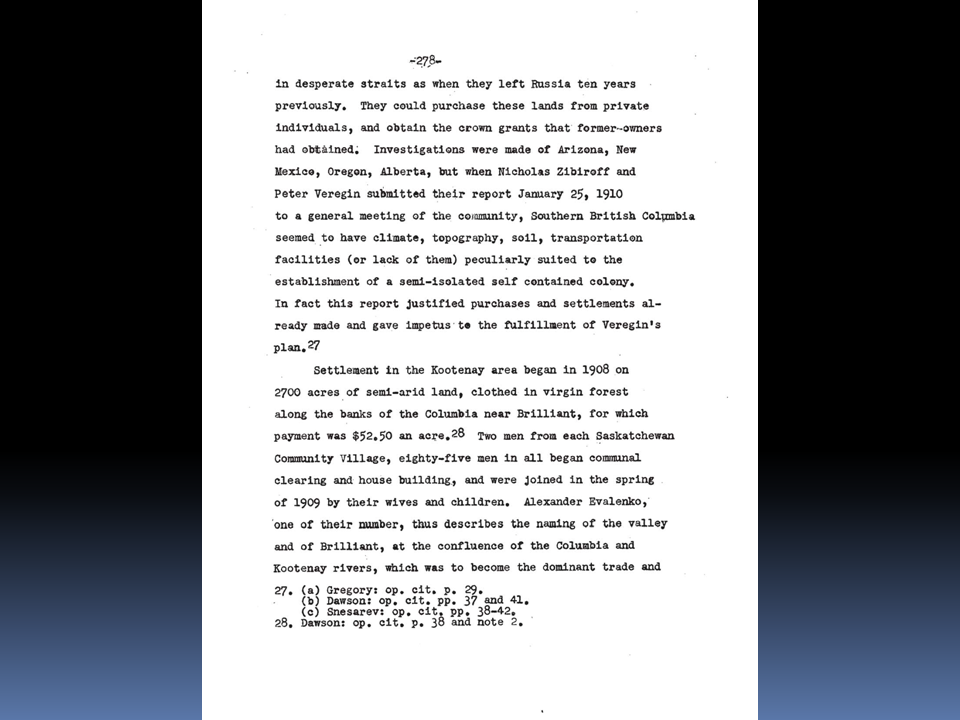
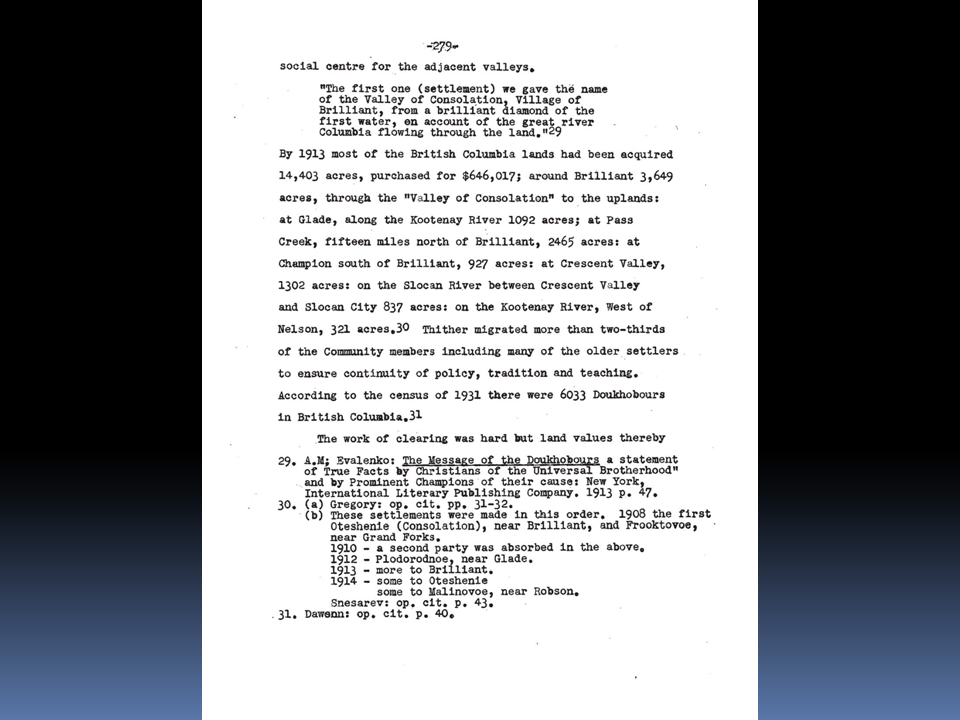
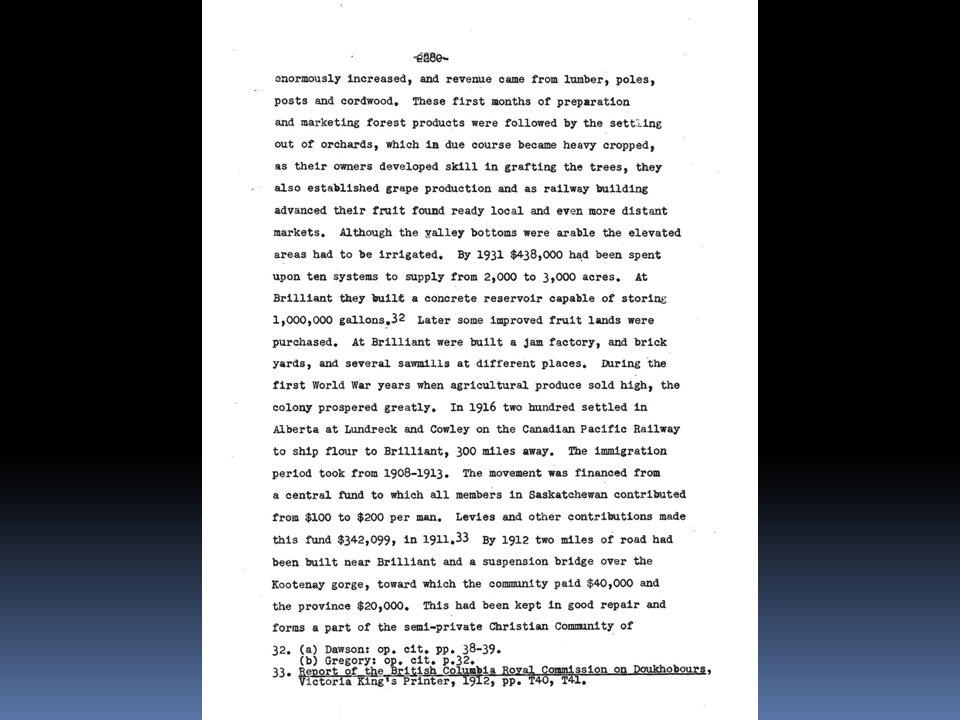
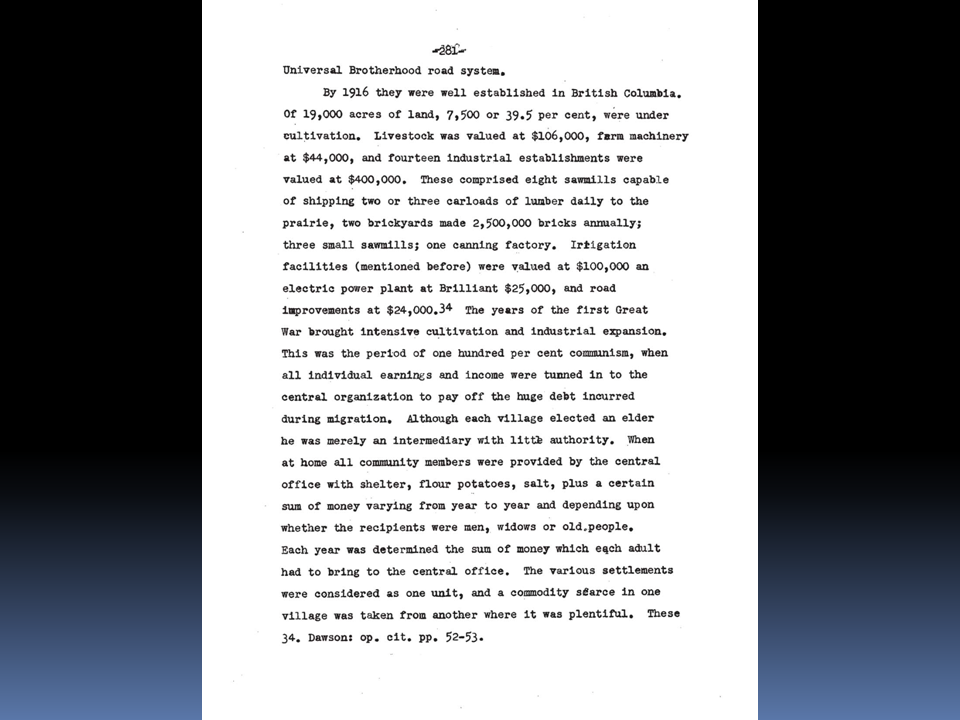
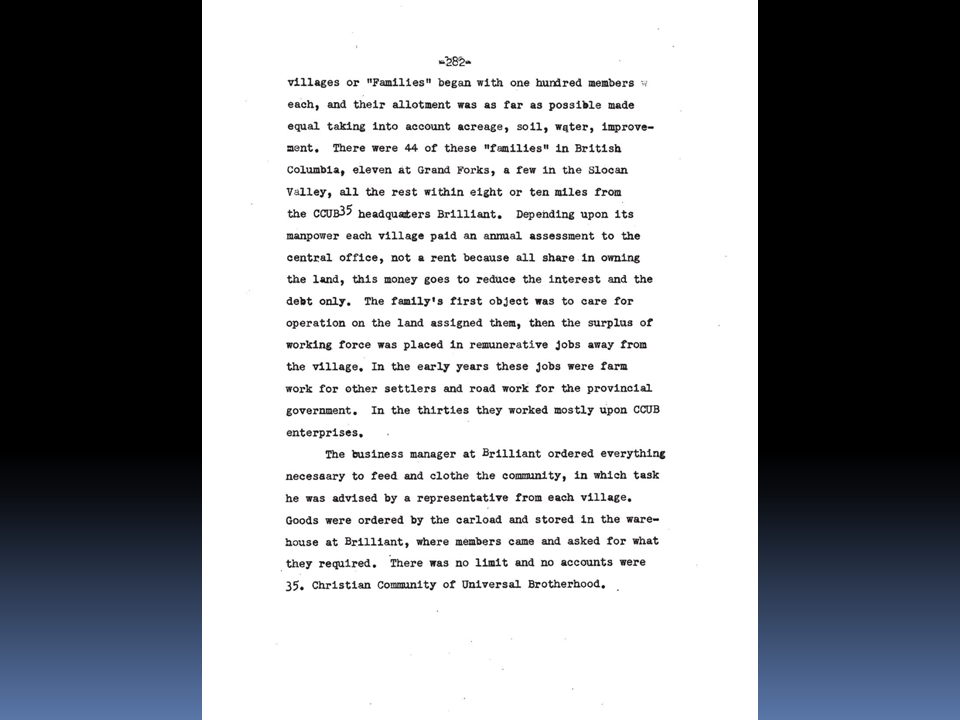
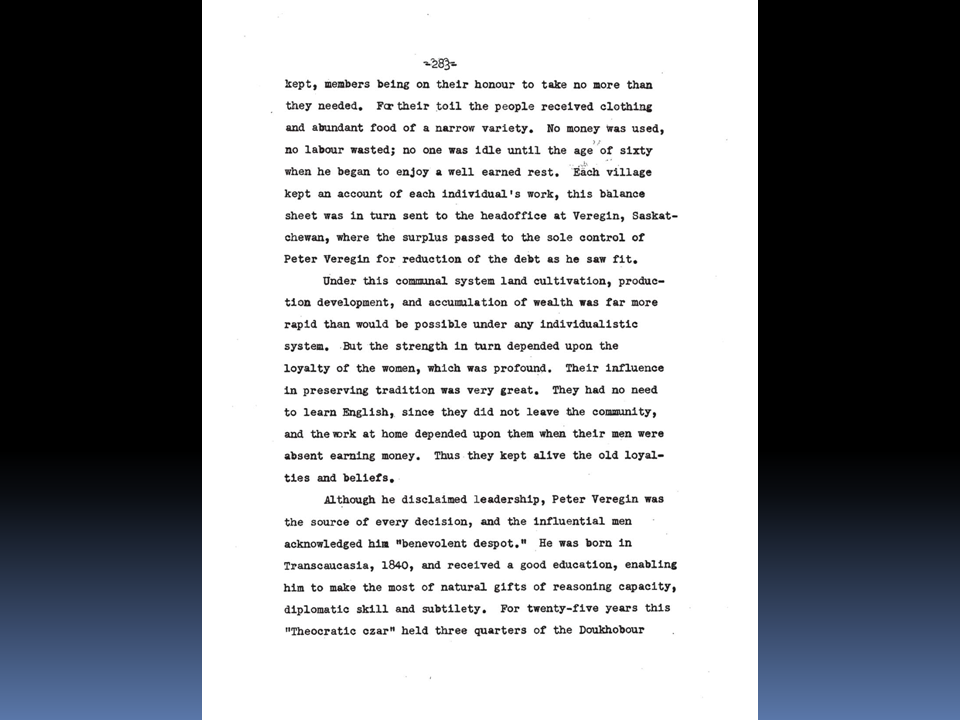
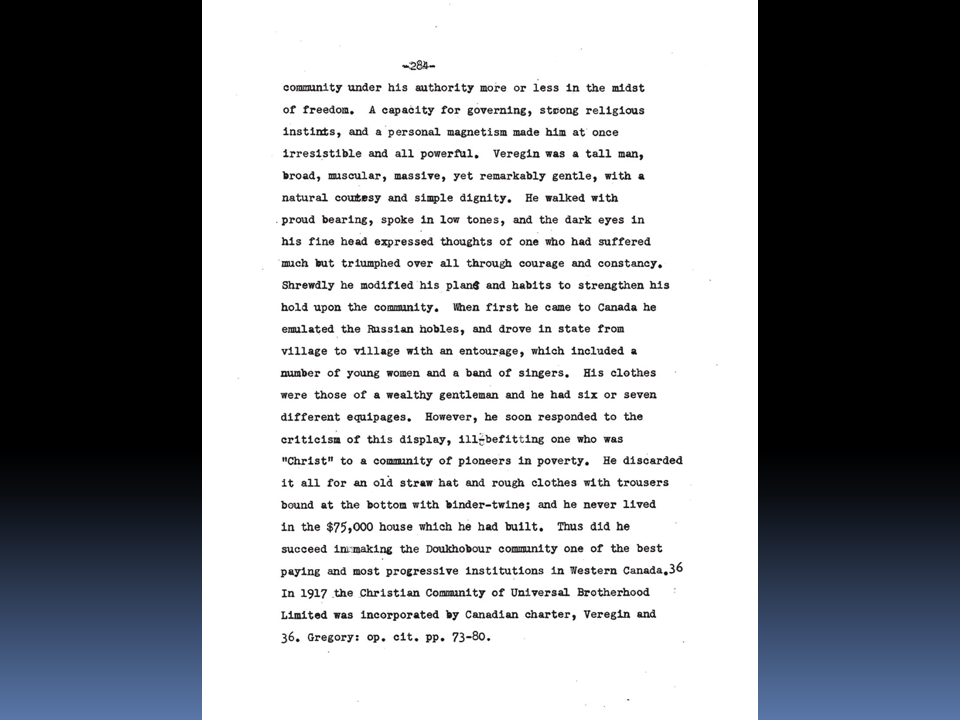
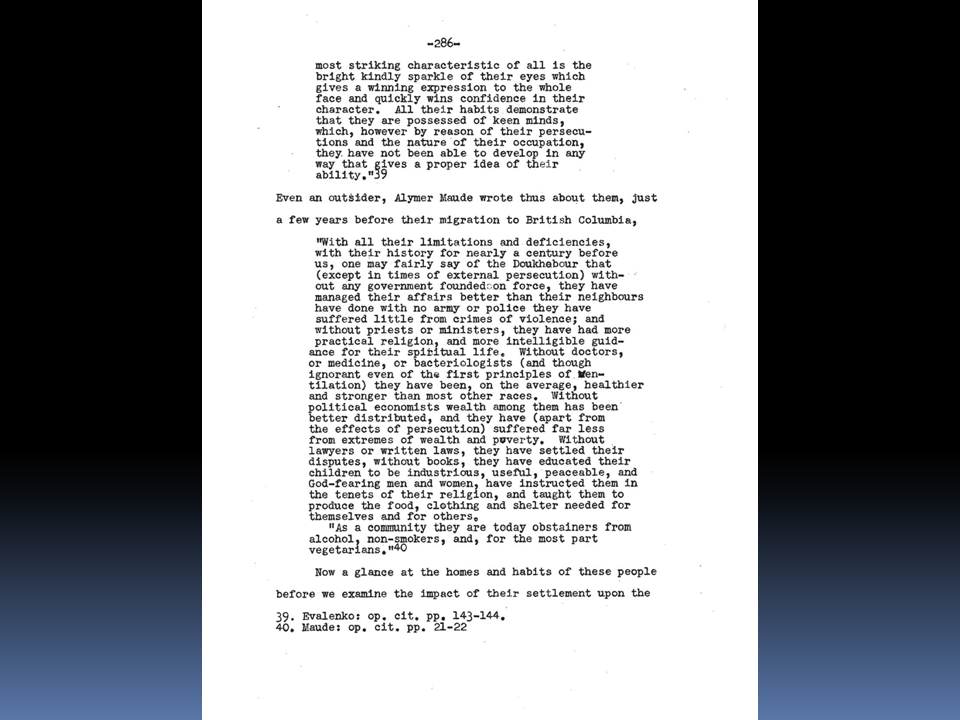
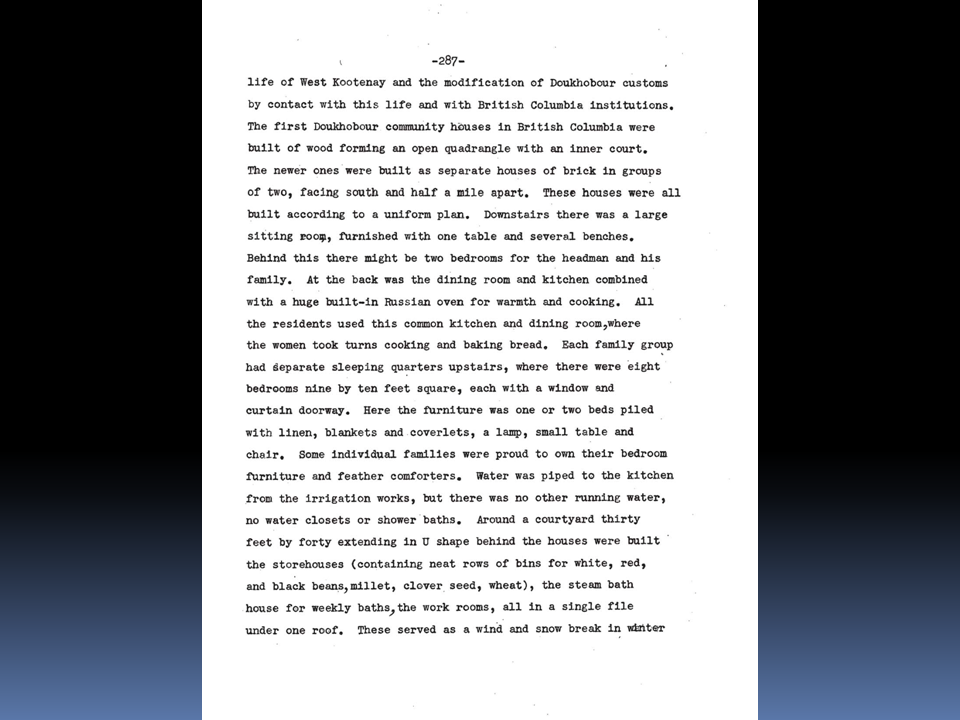
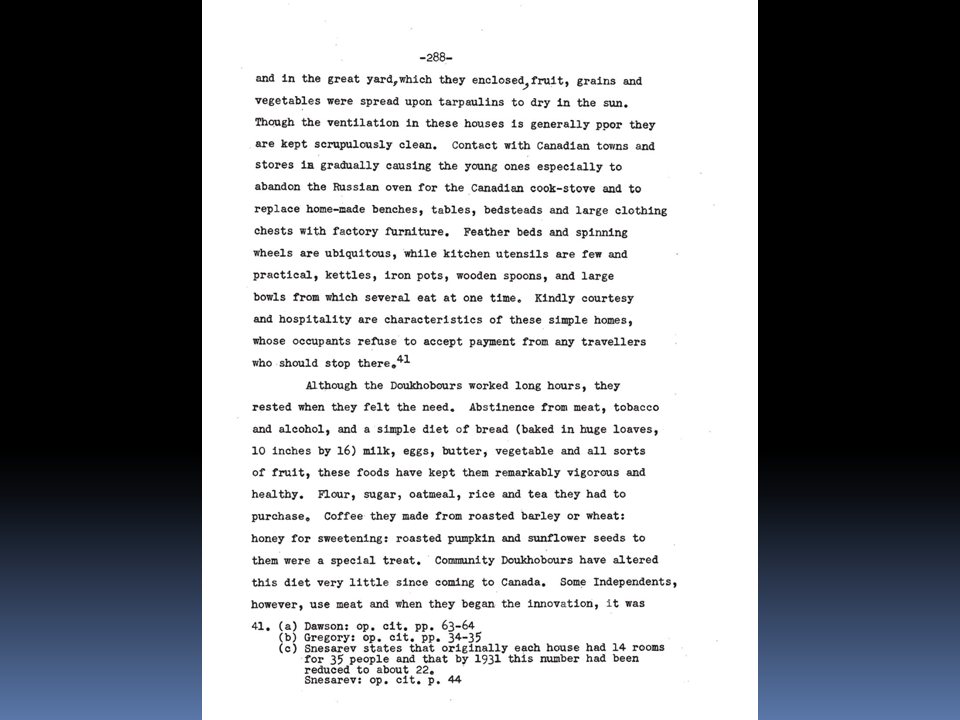
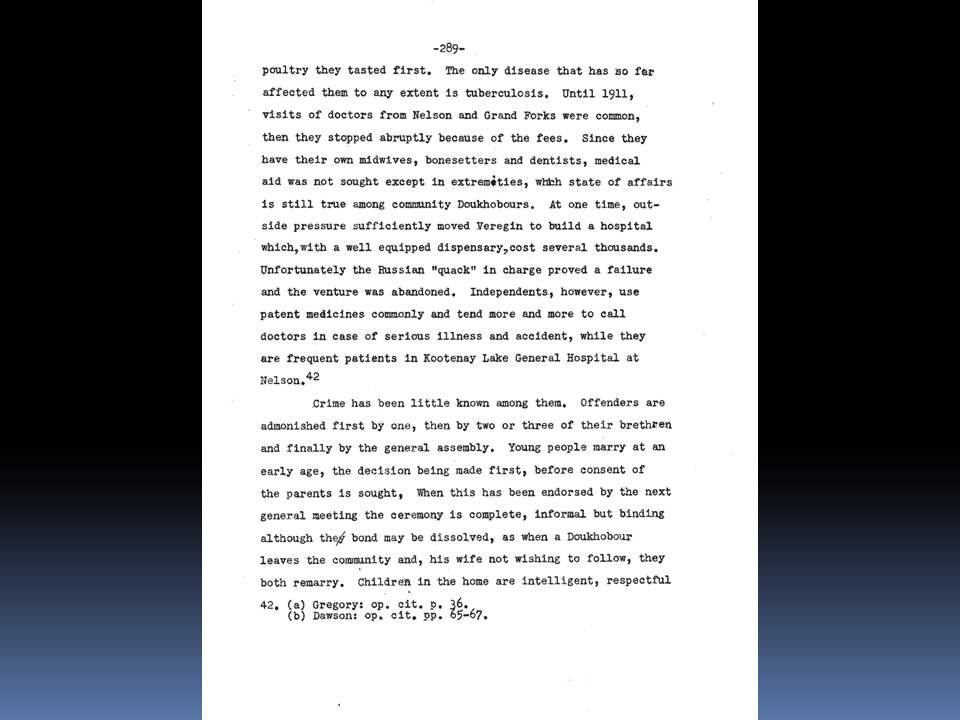
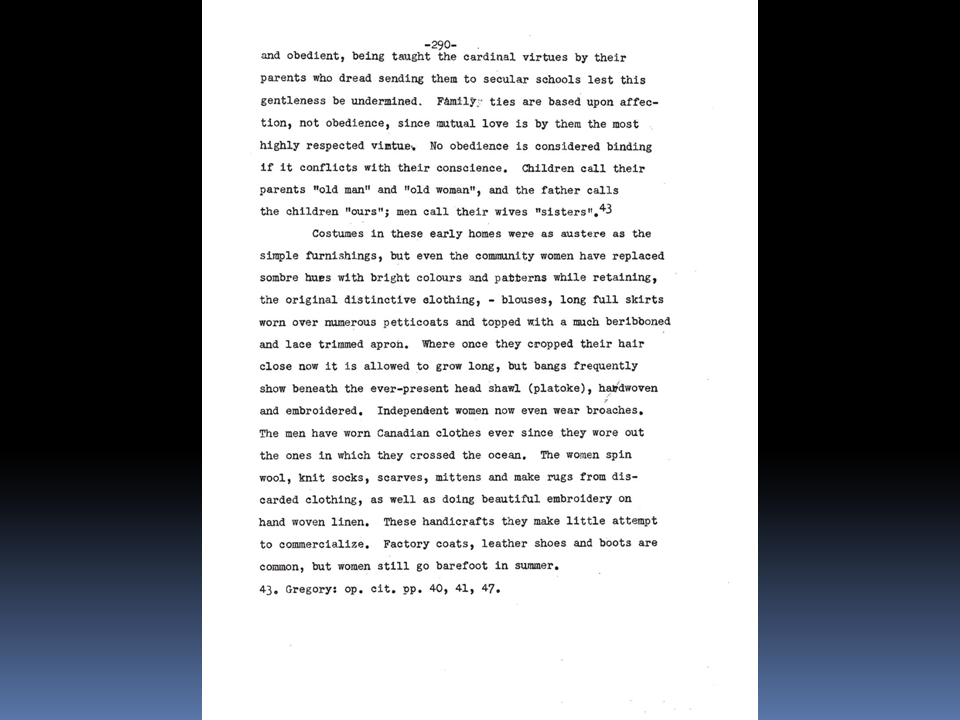
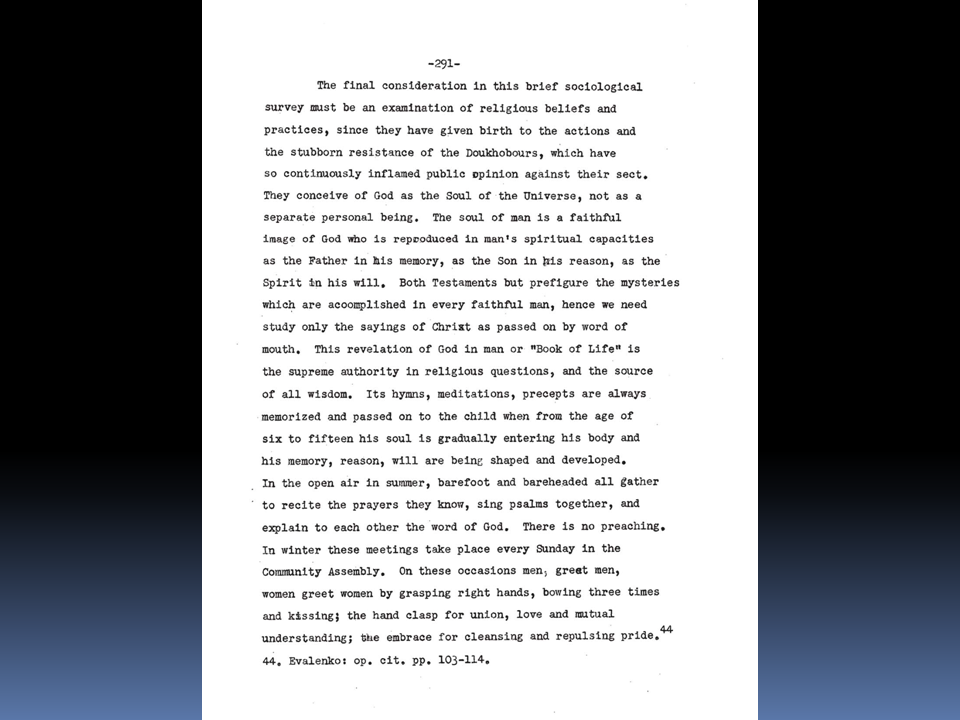
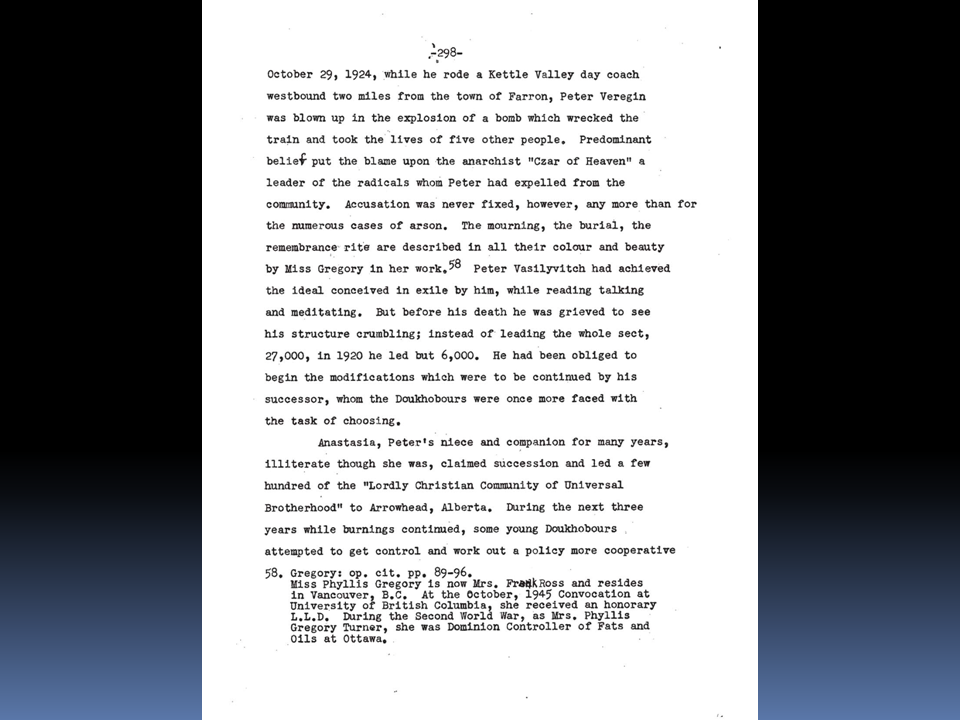
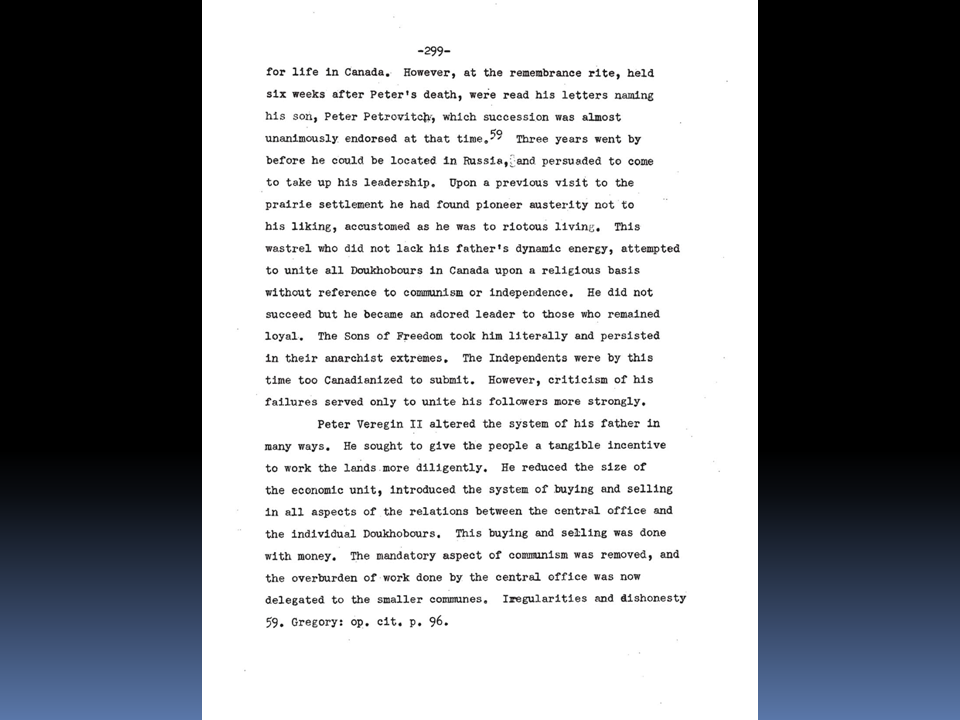
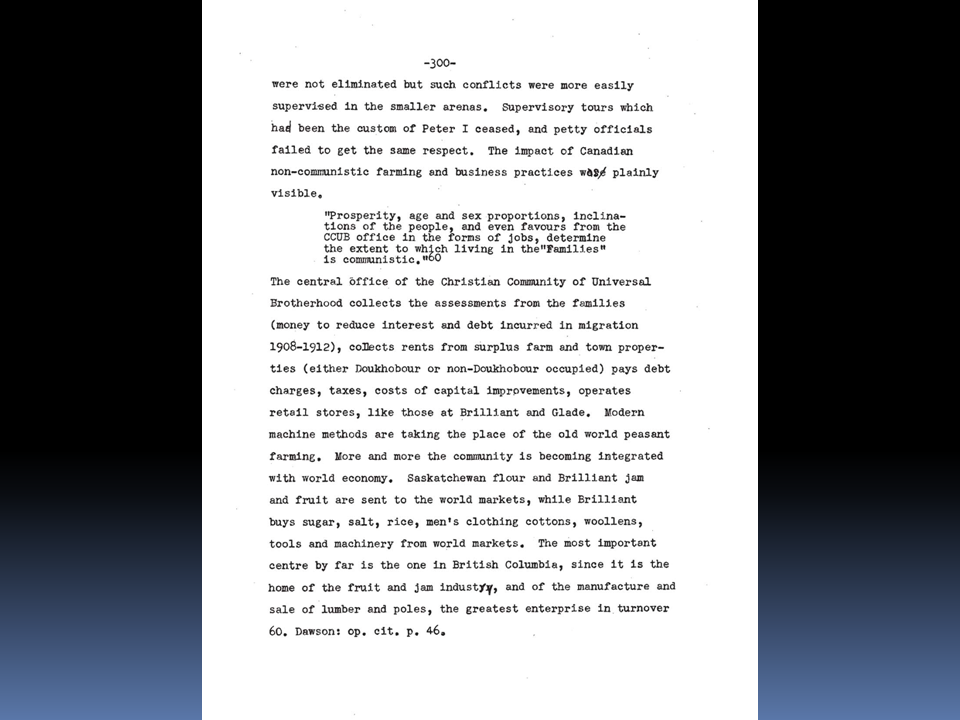
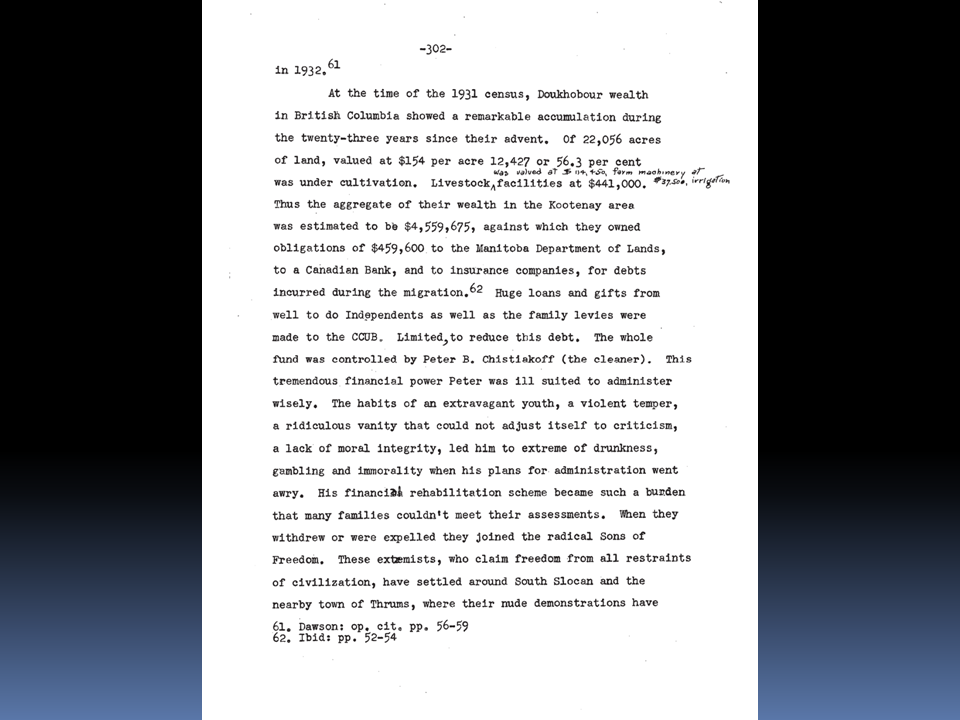
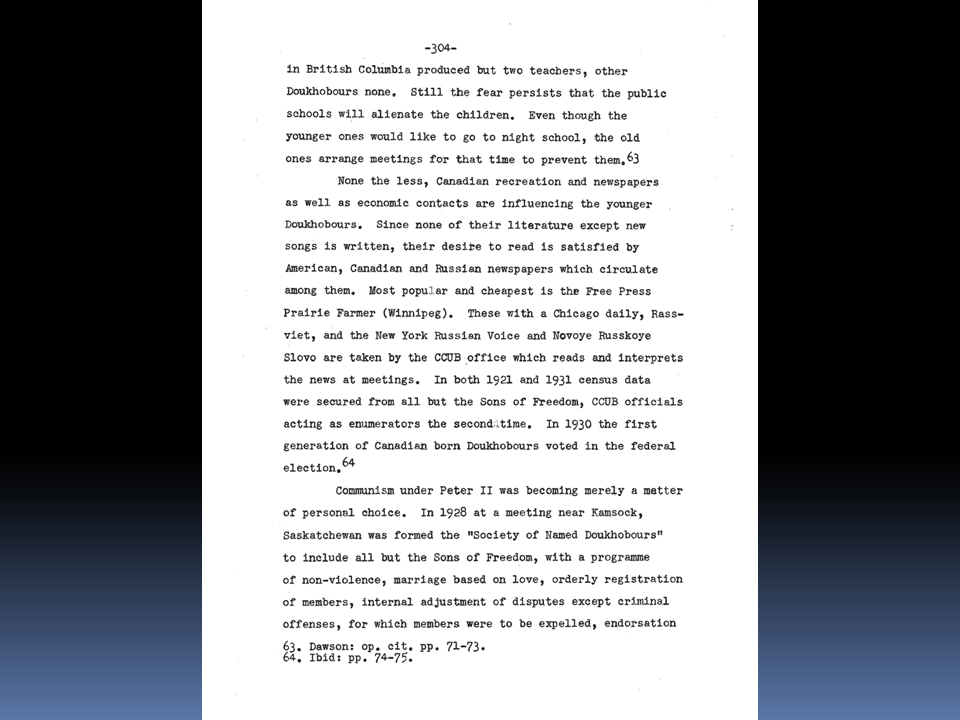
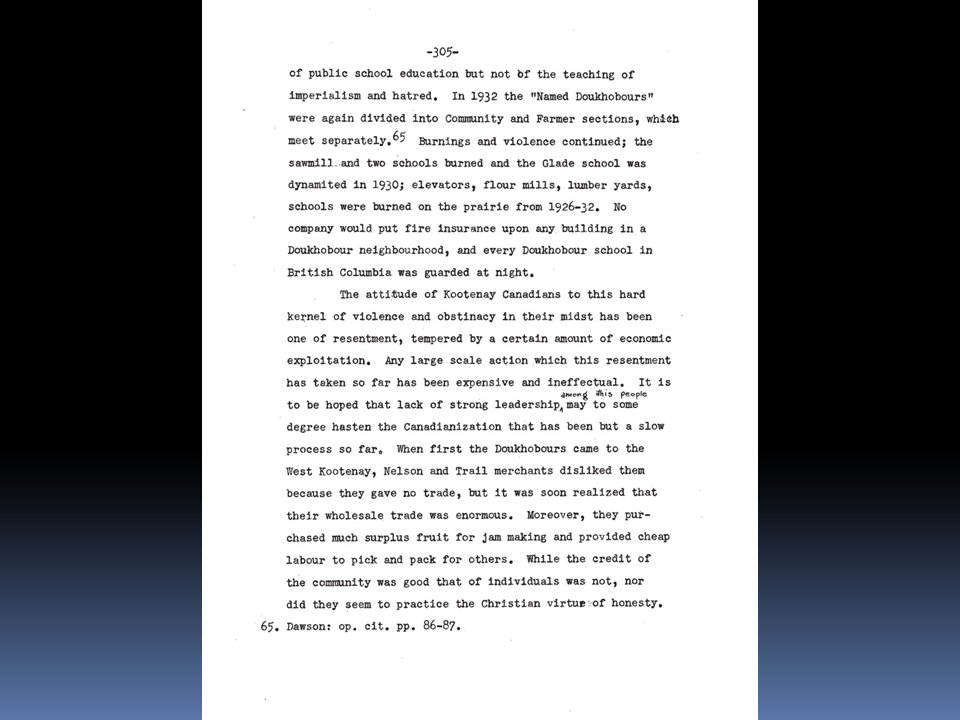
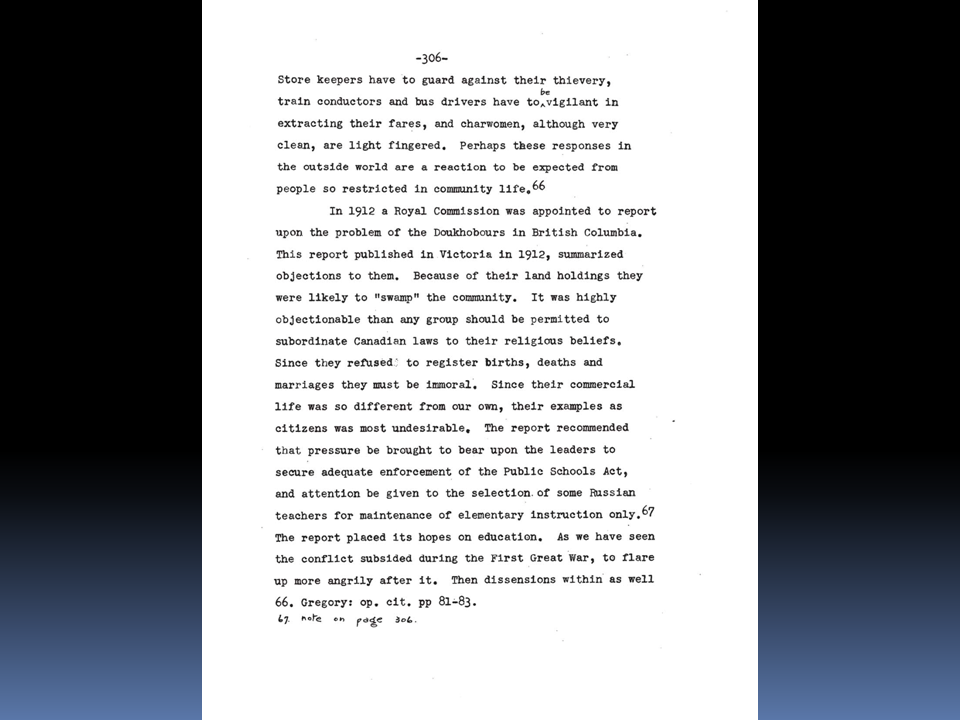
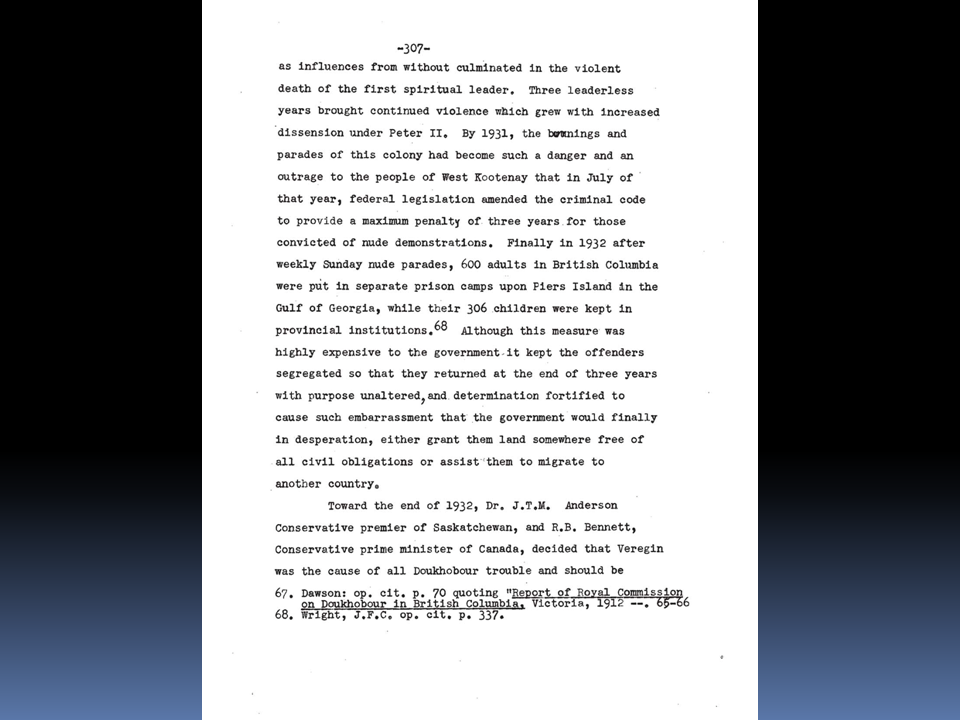
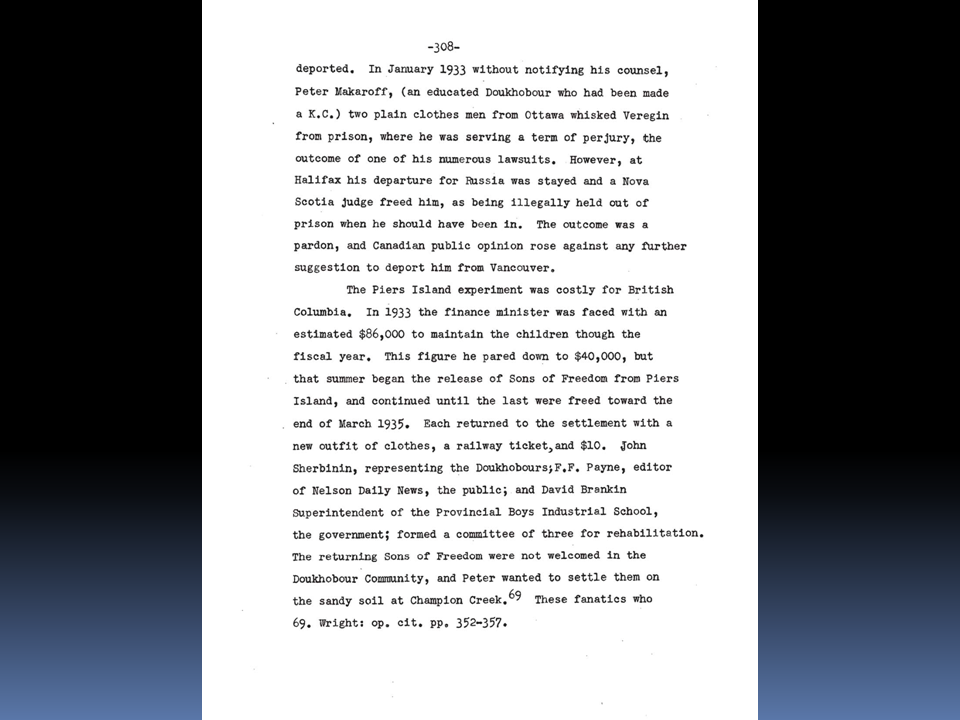
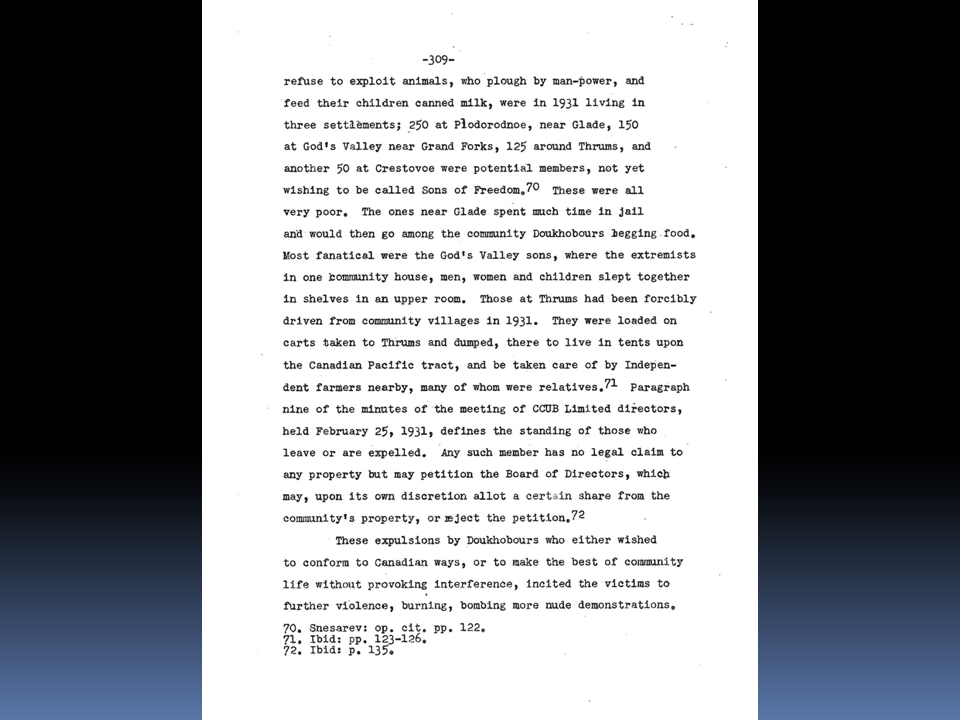
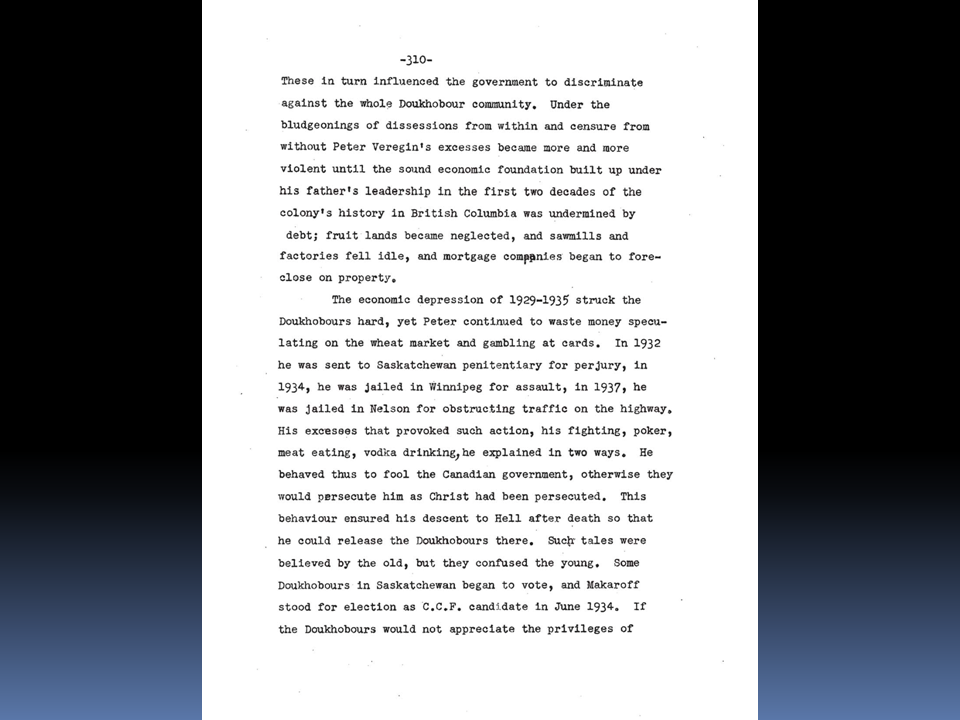
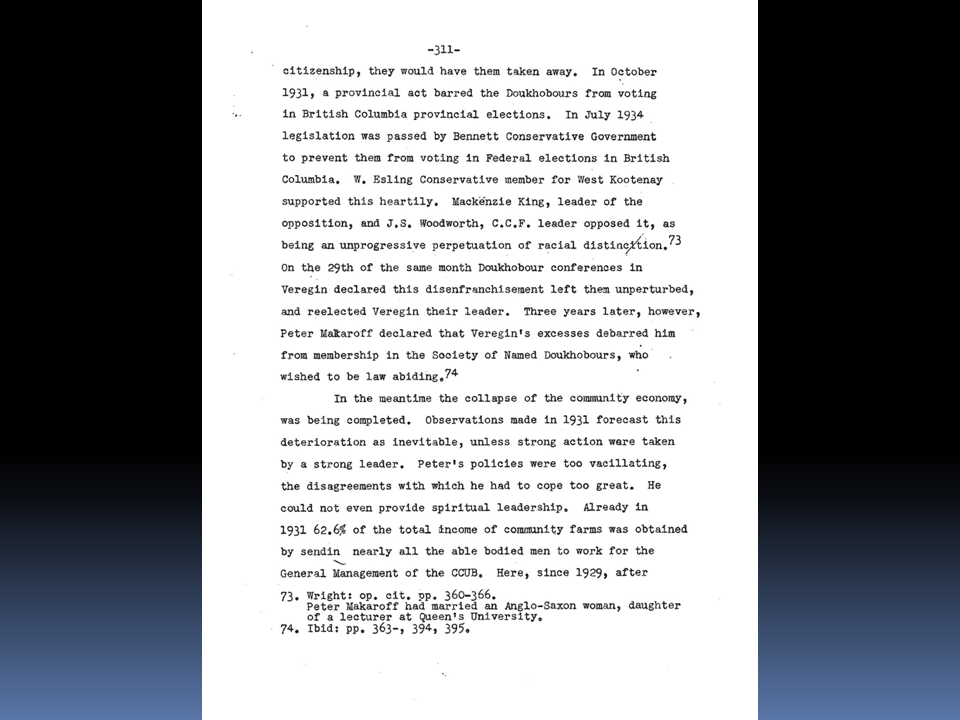
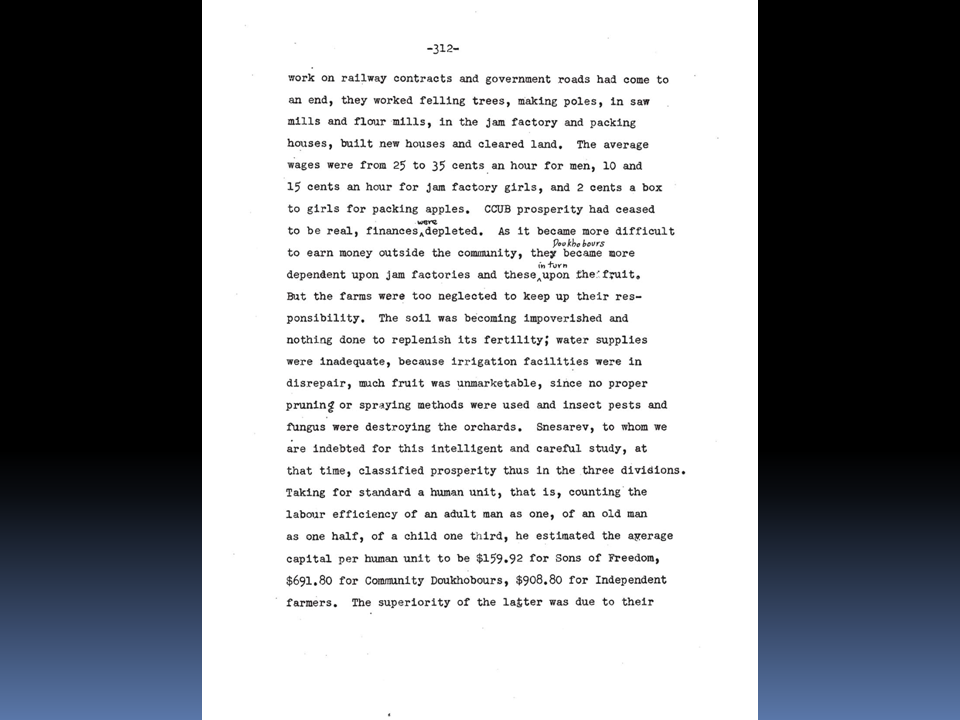
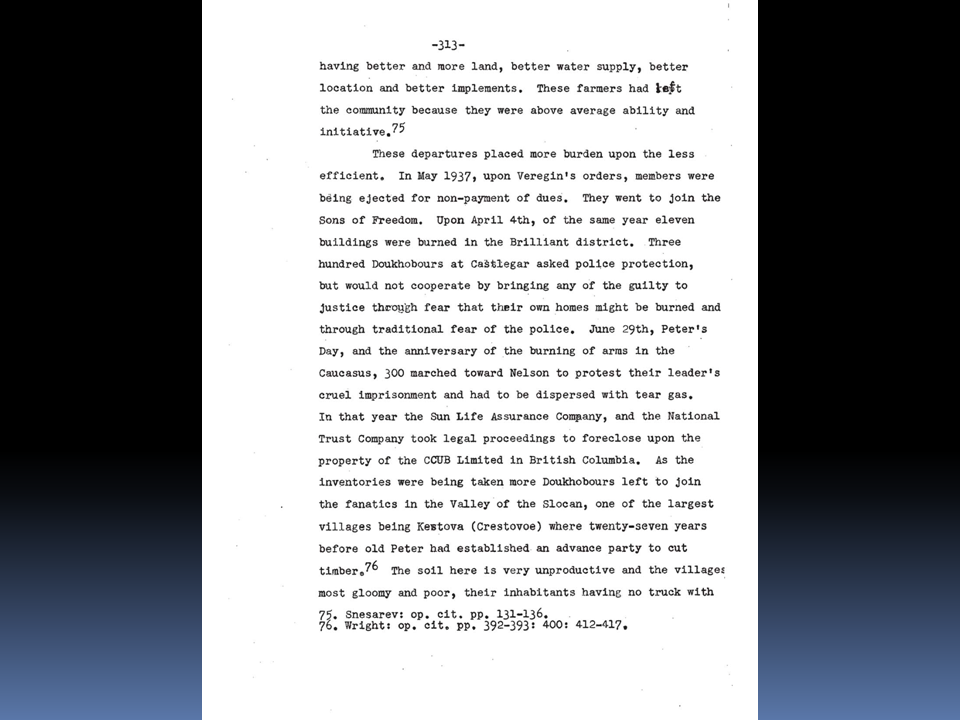
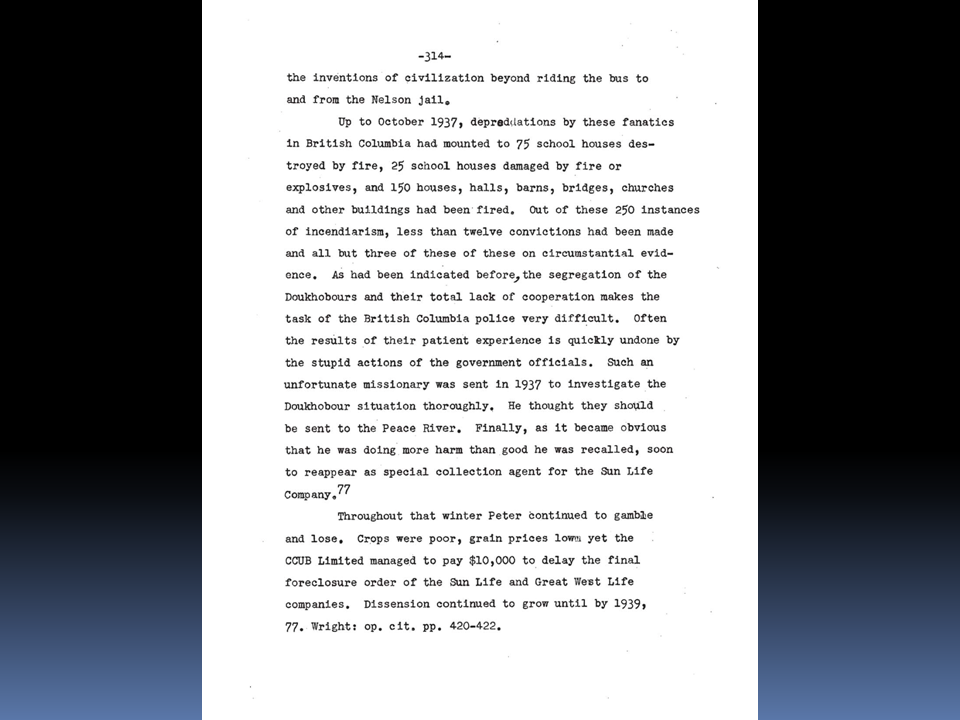
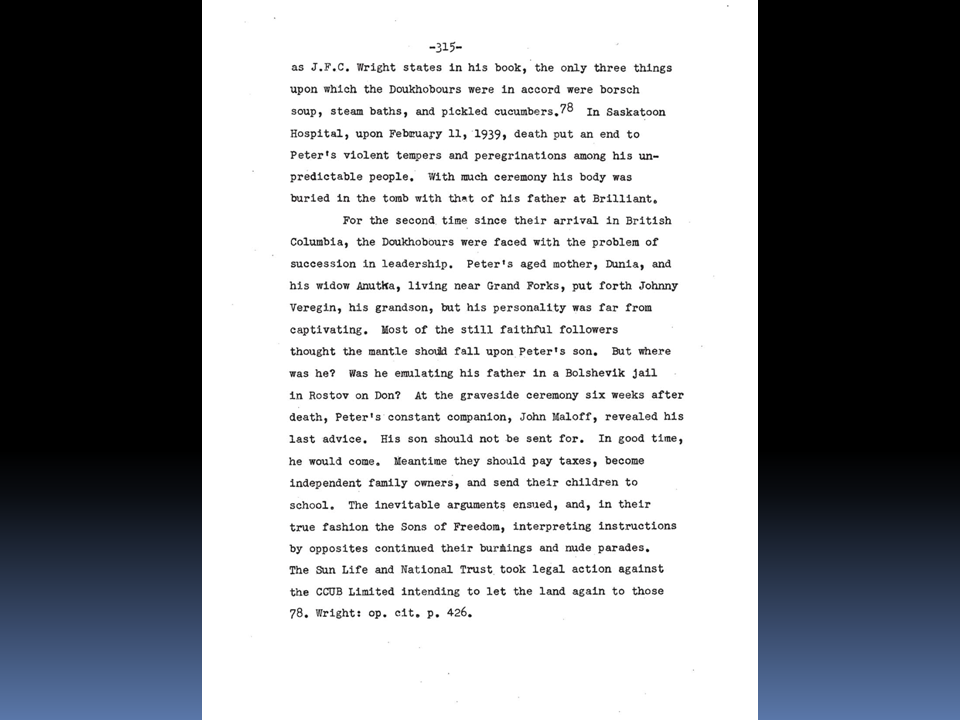
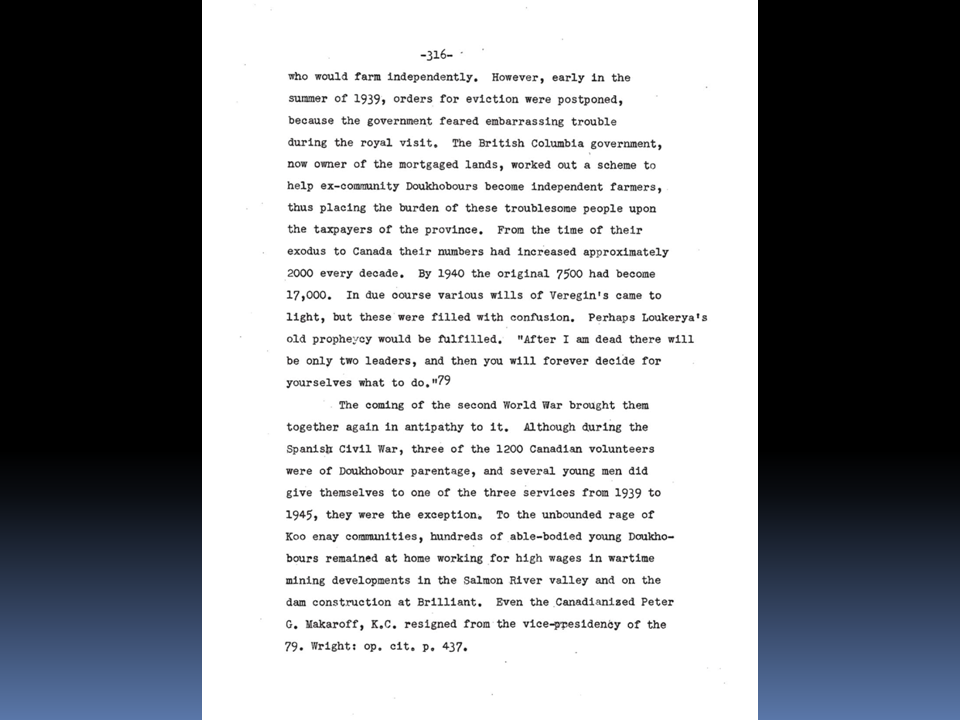
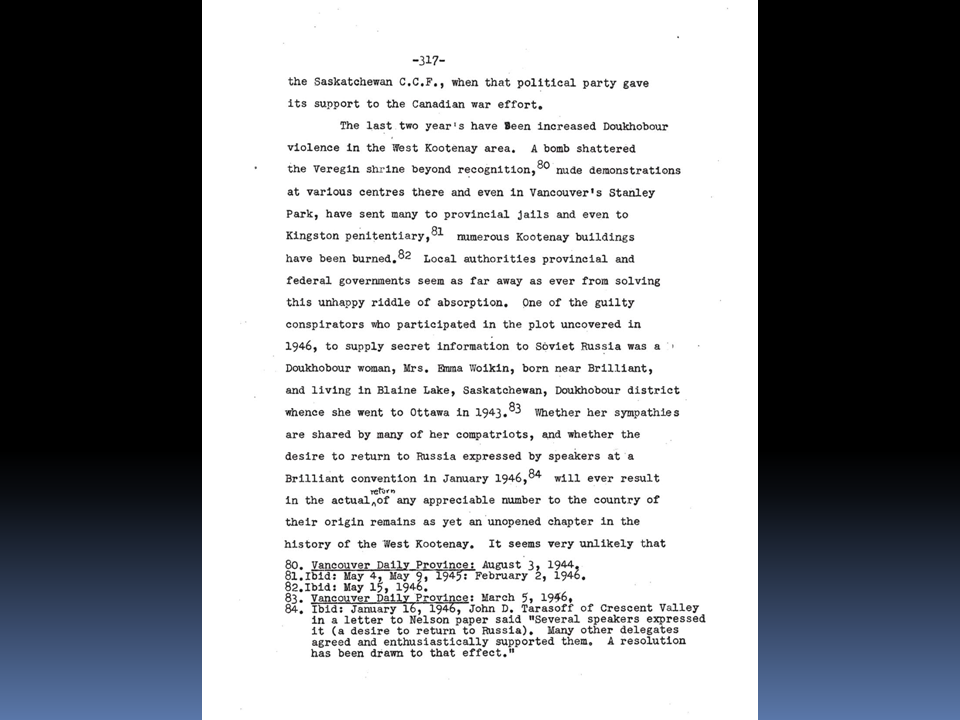
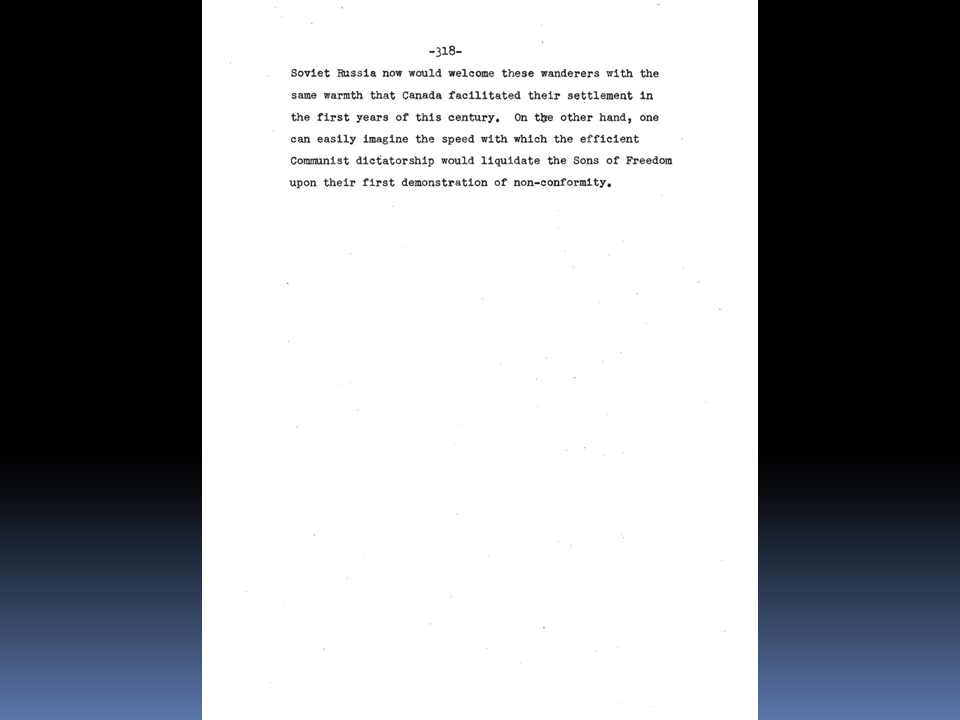
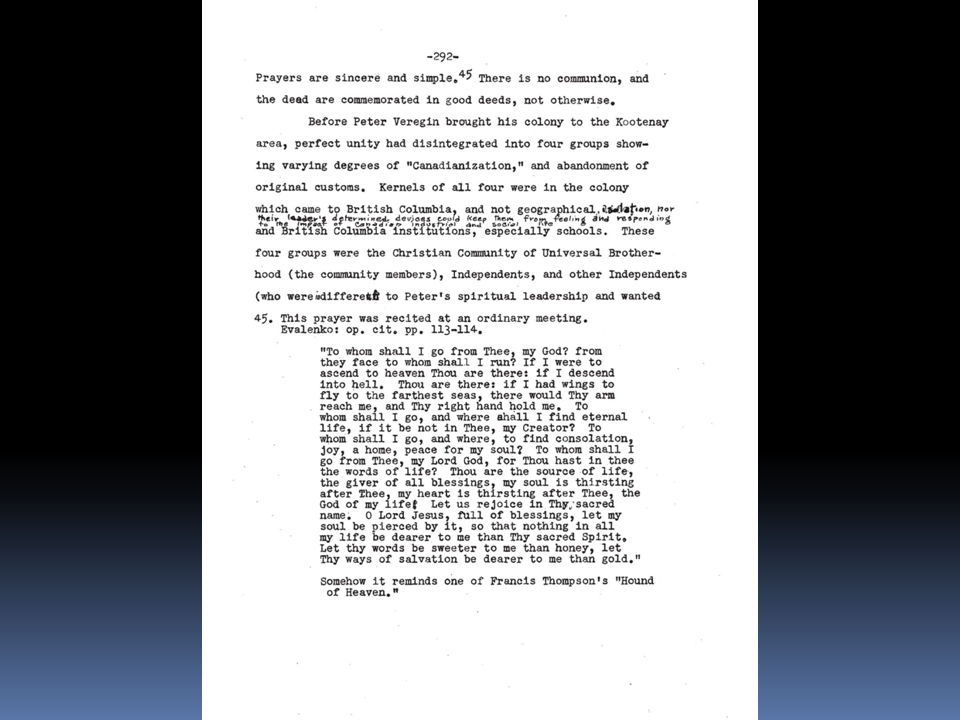
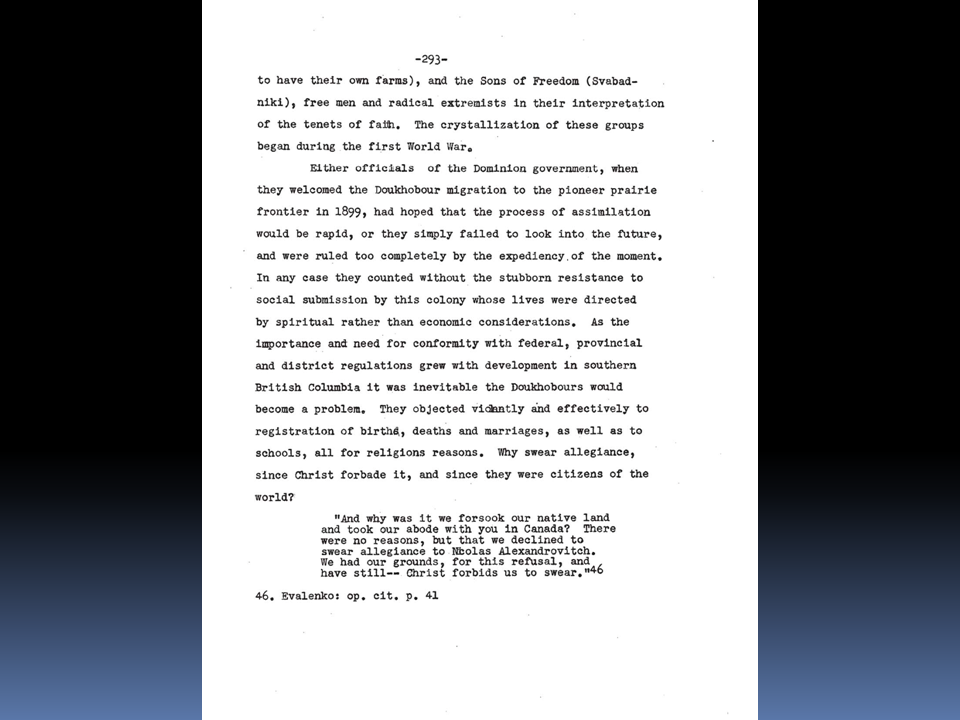
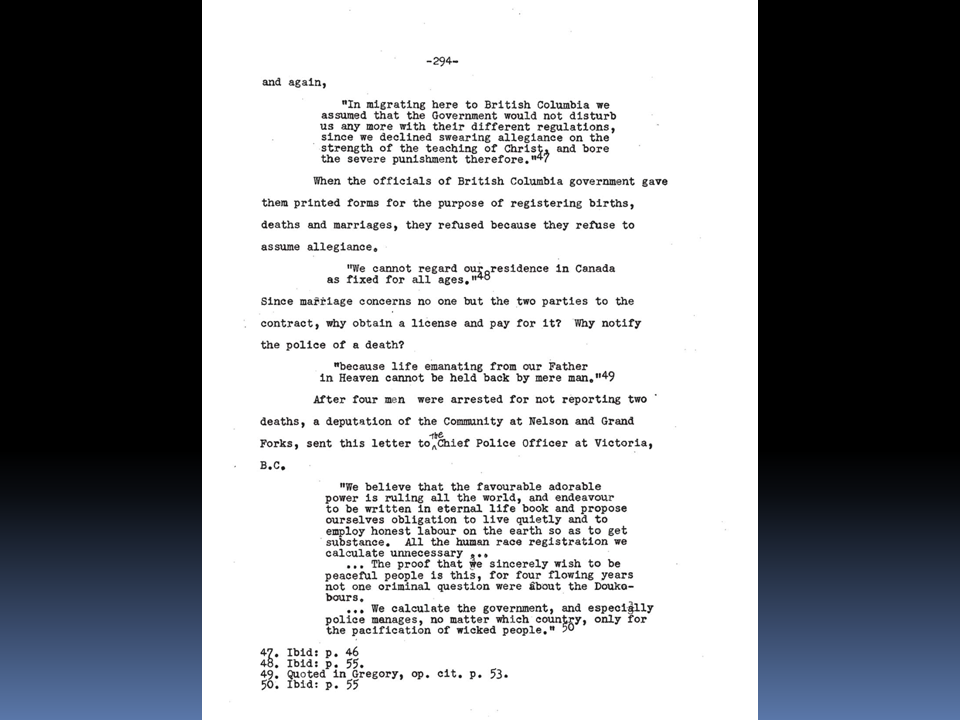
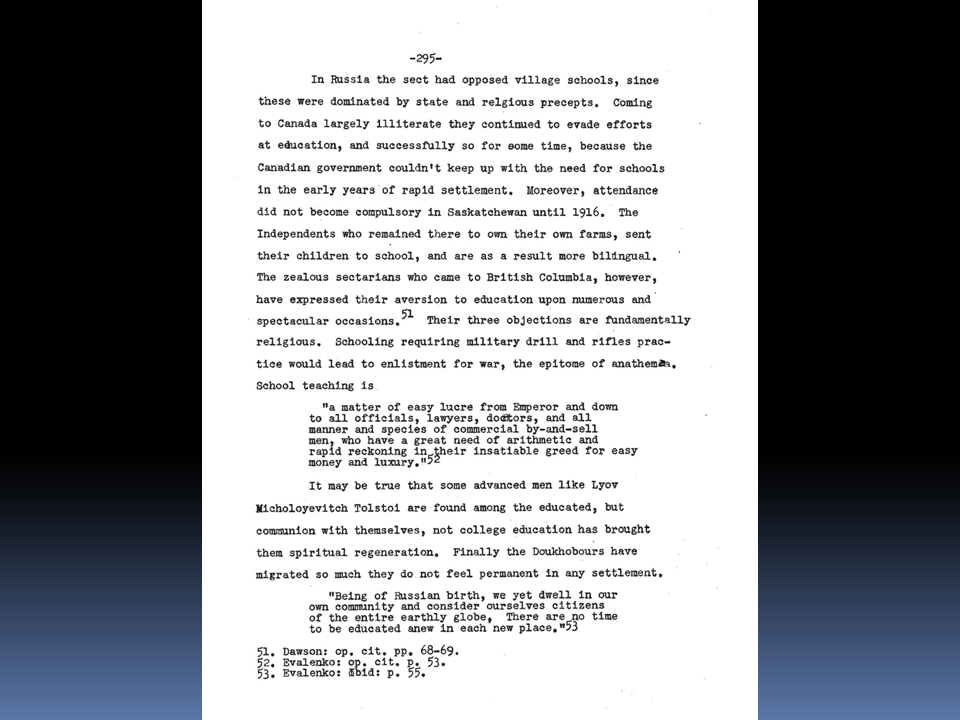
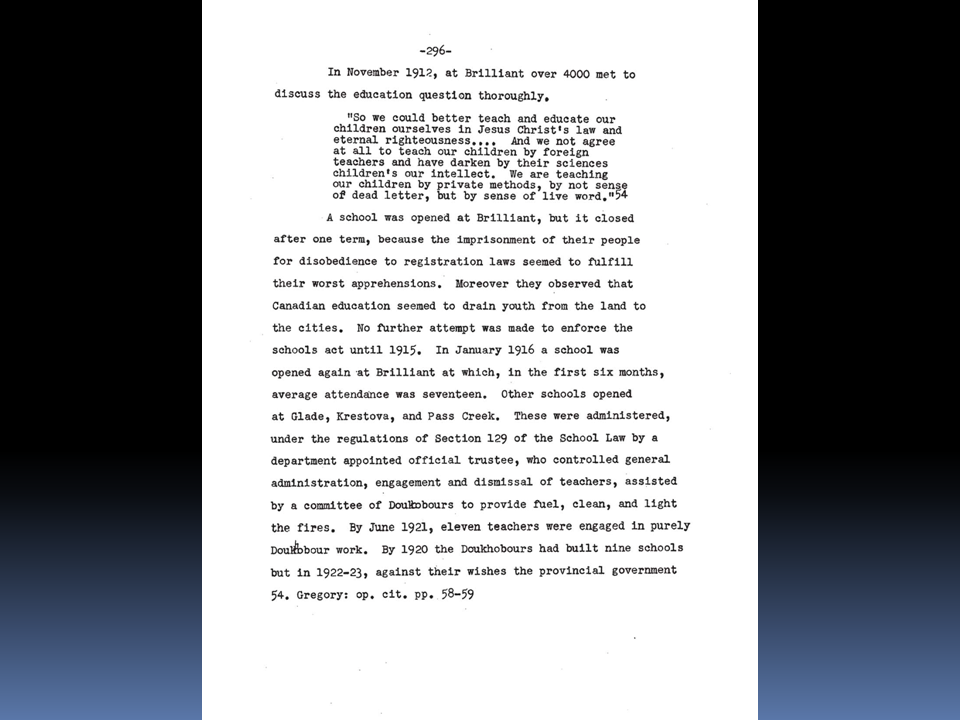
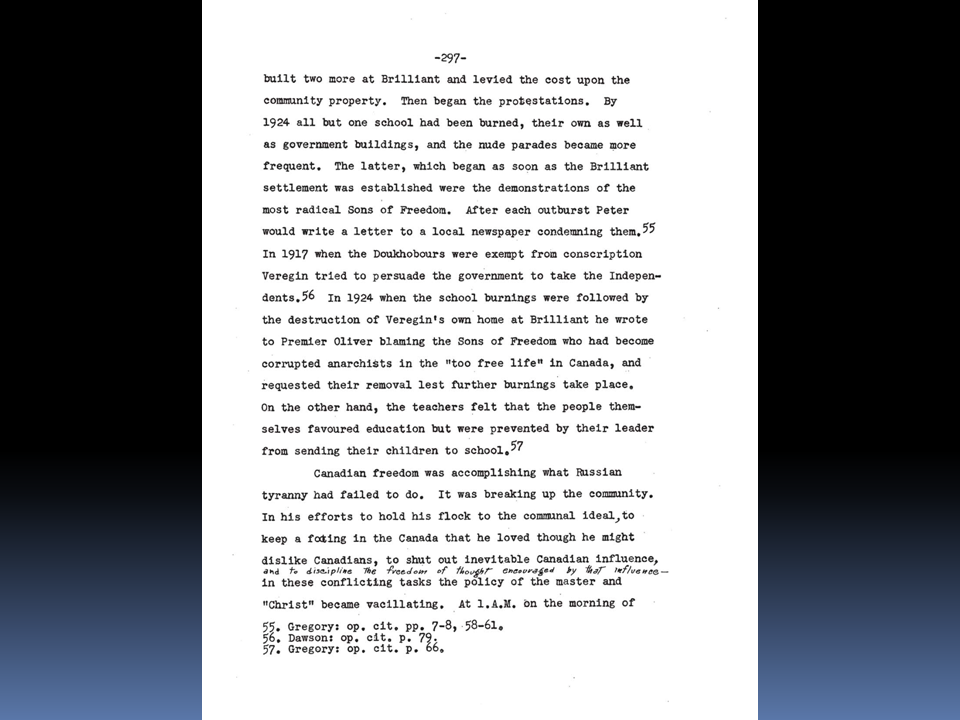
The Doukhobours-An Experiment In Communism

From: ‘A History Of The West Kootenay District In British Columbia’ by Mollie E. Cottingham The University of British Columbia, May 1947

NOTE: Presented here for educational purpose. Great thanks to the author for the book and the particular chapter presented. Thanks as well to UBC.

Slide1Slide2Slide3Slide4Slide5Slide6

Slide7Slide8Slide9Slide10Slide11Slide12Slide13Slide14Slide15Slide16Slide17Slide18Slide19Slide20Slide21Slide22Slide23Slide24Slide25Slide26Slide27Slide28Slide29Slide30Slide31Slide32Slide33Slide34Slide35Slide36Slide37Slide38Slide39Slide40Slide41Slide42Slide43Slide44Slide45Slide46Slide47Slide48Slide49Slide50Slide51Slide52Slide53Slide54Slide55Slide56Slide57Slide58