Liberals score highest on Nanos Index, NDP hit new three year low (ending July 22, 2016)

The Nanos Party Power Index

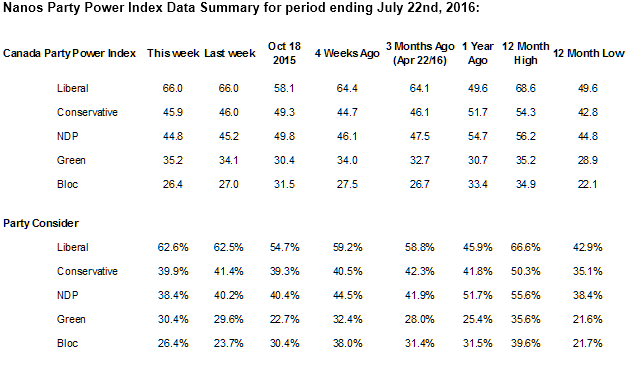
Nanos Party Power Index – The Nanos Index, which is a composite of a series of measures including ballot preferences and impressions of the leaders has the Liberals with 66.0 out of a possible 100 points, the Conservatives registered 45.9 points, the NDP 44.8 points, the Greens 35.2 points and the BQ 26.4 points (Quebec only).  Of note, the score for the NDP represents the lowest score on record since the Index was created in August 2013.

  • Accessible Voters –  Asked a series of independent questions for each federal party, more than six in ten Canadians (62.6%) would consider voting Liberal, 39.9 per cent would consider voting Conservative, 38.4 per cent would consider voting NDP and 30.4 per cent would consider voting Green.
The team at Nanos in conjunction with Klipfolio have launched our new live political data portal where you run the numbers you want and can explore the trends and data you need.  This is part of our campaign, not only to provide the most reliable data to Canadians but to let them use it as they wish. We were the first to do nightly tracking and now we are the first research organization to post live public opinion data for Canadians. Here’s the link to check it out.

To view the detailed tracking visit our website

Methodology

The views of 1,000 respondents are compiled into a party power brand index for each party that goes from 0 to 100, where 0 means that the party has no brand power and 100 means it has maximum brand power. A score above 50 is an indication of brand power for the party and its leader at this time.

The important factors in this weekly tracking include the direction of the brand strength or weakness and also the brand power of one federal party relative to another.The data is based on random telephone interviews with 1,000 Canadians, using a four week rolling average of 250 respondents each week, 18 years of age and over.

The random sample of 1,000 respondents may be weighted by age and gender using the latest census information for Canada, and the sample is geographically stratified to be representative of Canada.

The interviews are compiled into a four week rolling average of 1,000 interviews where each week, the oldest group of 250 interviews is dropped and a new group of 250 interviews is added. The current wave of tracking is based on a four-week rolling average of 1,000 Canadians (250 per week) ending July 22nd, 2016.

A random telephone survey of 1,000 Canadians is accurate 3.1 percentage points, plus or minus, 19 times out of 20.

All references or use of this data must cite “Nanos Party Power Index” as the source.
FireShot Capture 10 -  - file____C__Users_apchernoff_Desktop_Liberals%20score%20highest%20on%20Na

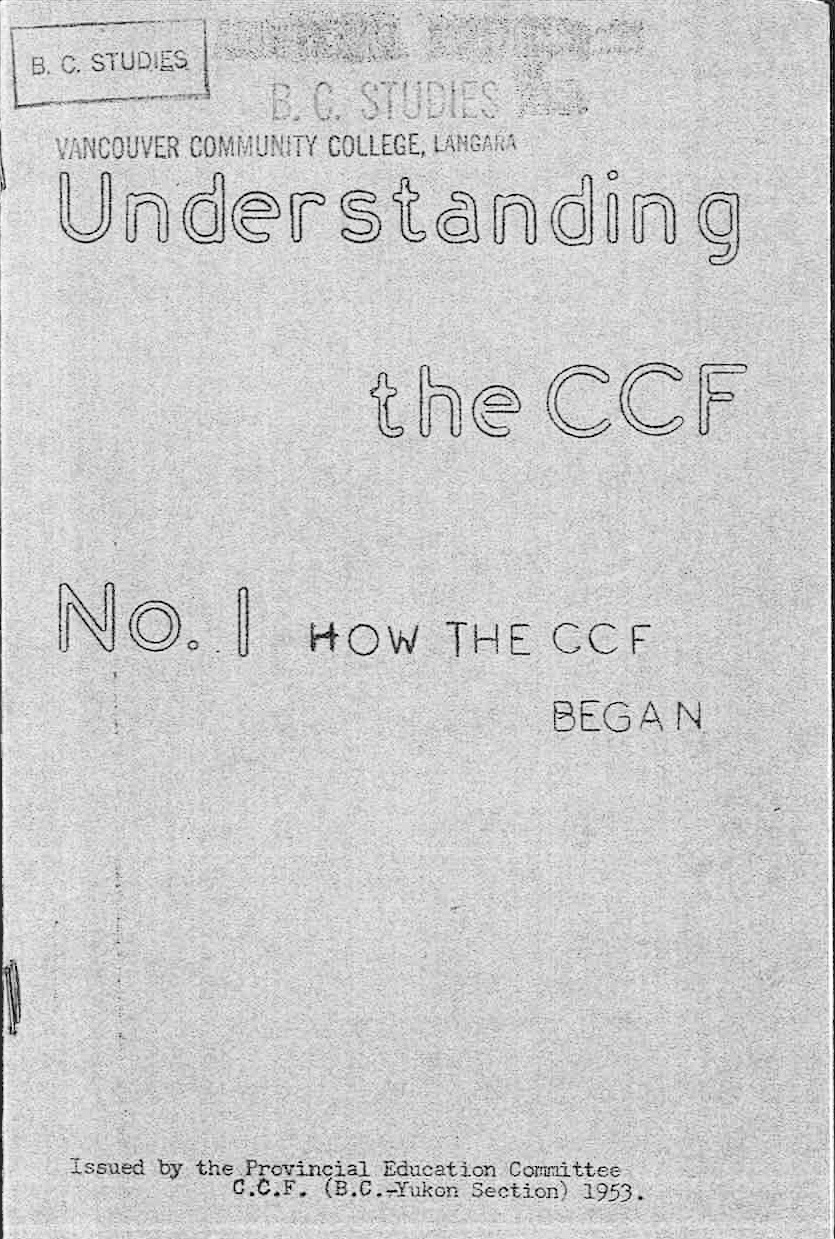
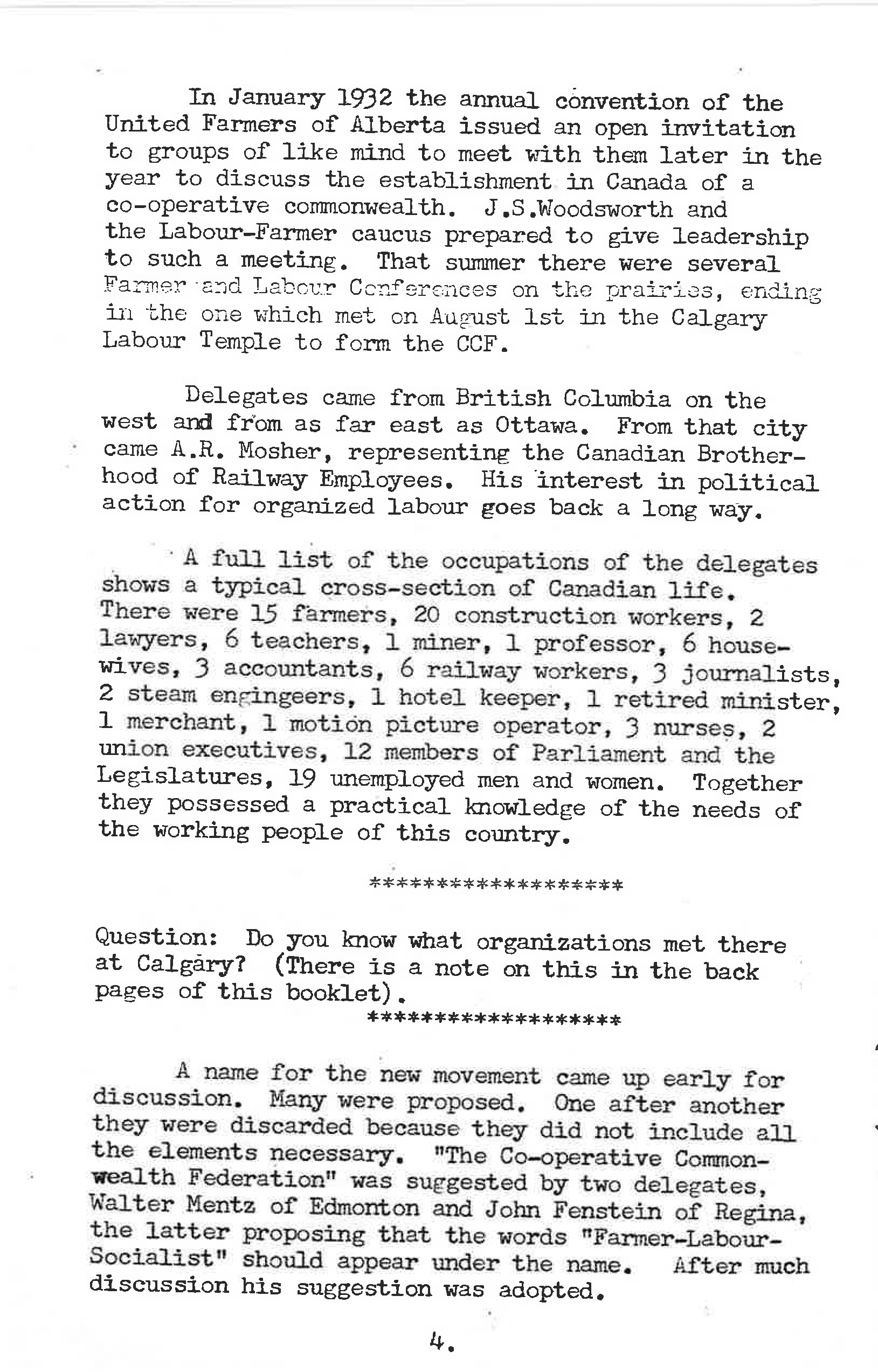
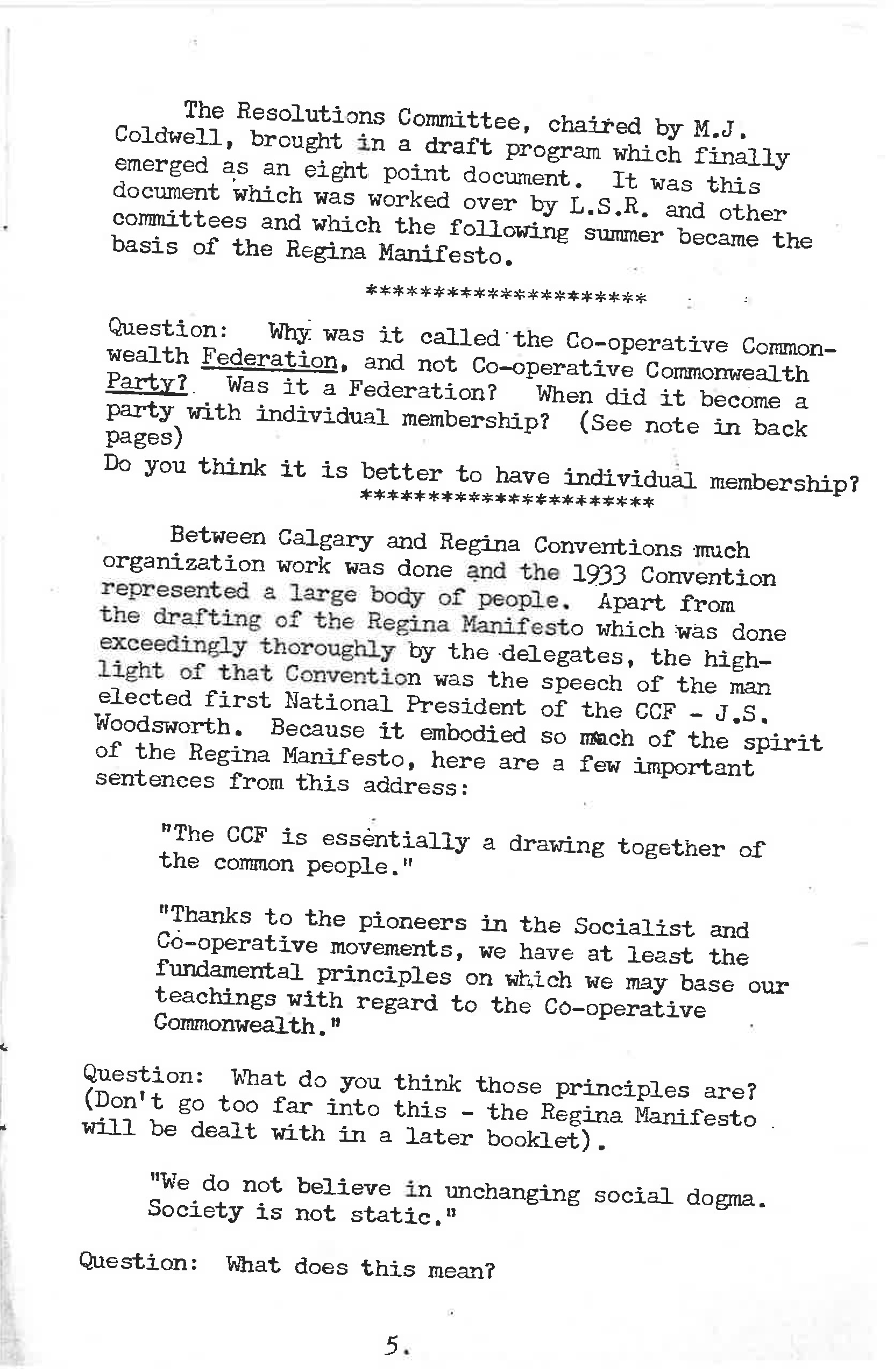
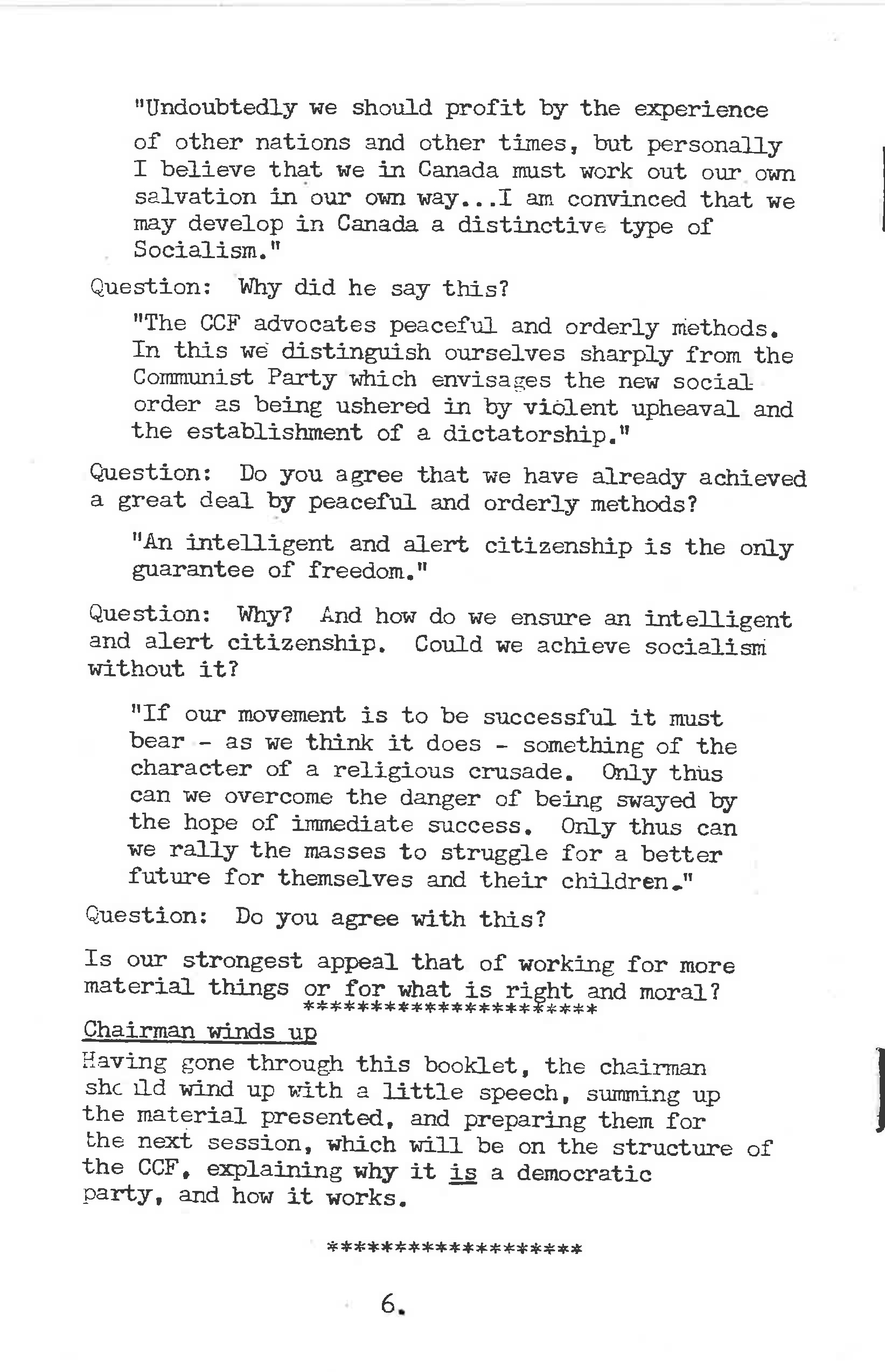
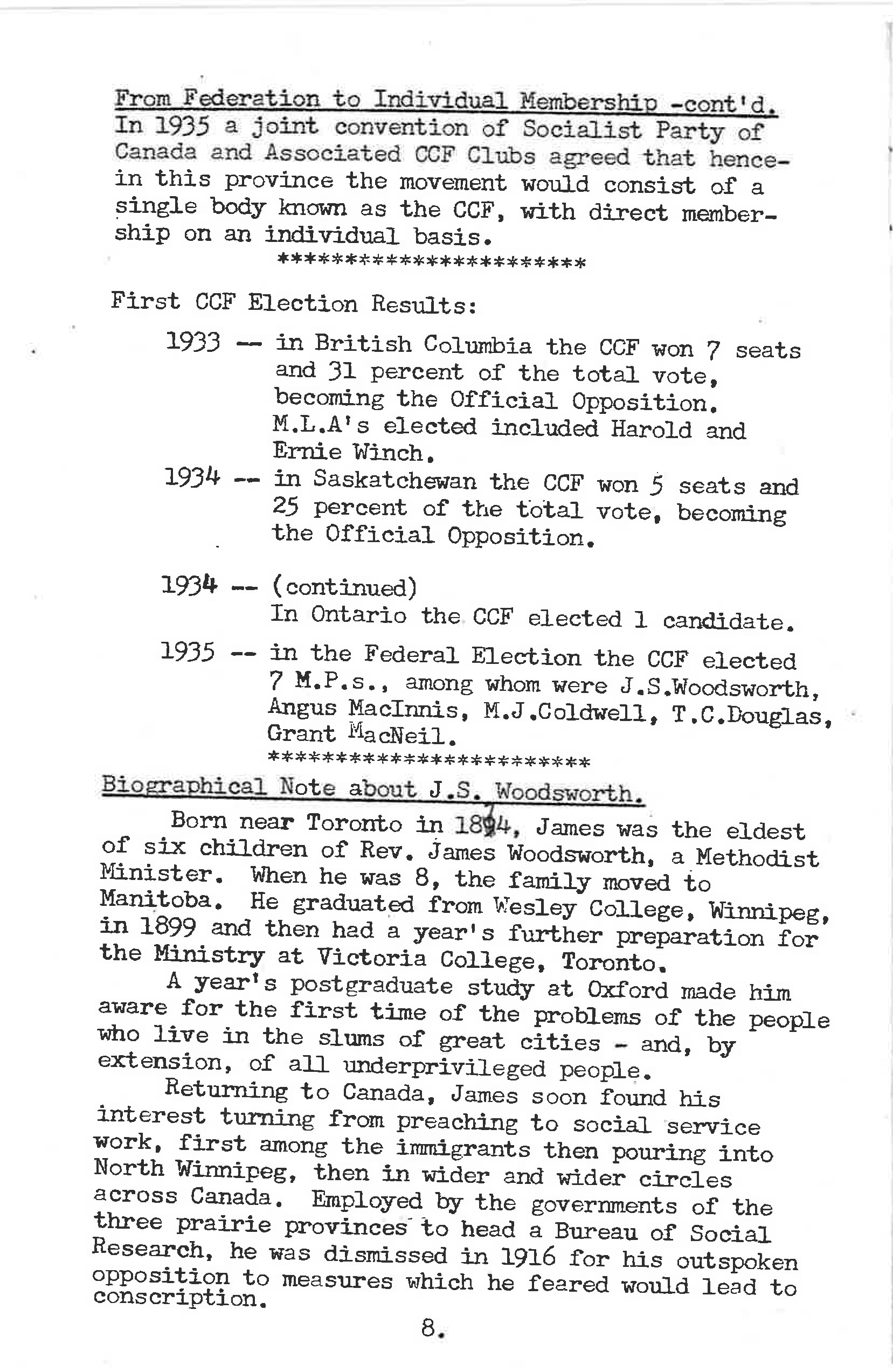
Understanding the CCF: Co-operative Commonwealth Federation

fromthepast

Understanding the CCF No.1: How the CCF began. Issued by the Provincial Education Committee C.C.F. (B.C.-Yukon Section) 1953.

Source: https://archive.org

The Co-operative Commonwealth Federation (CCF) (French: Fédération du Commonwealth Coopératif, from 1955 the Parti social démocratique du Canada) was a social-democratic[2] and democratic socialist[3] political party in Canada. The CCF was founded in 1932 in Calgary, Alberta, by a number of socialist, agrarian, co-operative, and labour groups,[4] and the League for Social Reconstruction. In 1944, the CCF formed the first social-democratic government in North America when it was elected to form the provincial government in Saskatchewan.[5] In 1961, the CCF was succeeded by the New Democratic Party (NDP). The full, but little used, name of the party was Co-operative Commonwealth Federation (Farmer-Labour-Socialist).[6] 

Source: https://en.wikipedia.org/wiki/Co-operative_Commonwealth_Federation

Co-operative Commonwealth Federation 1932-1961


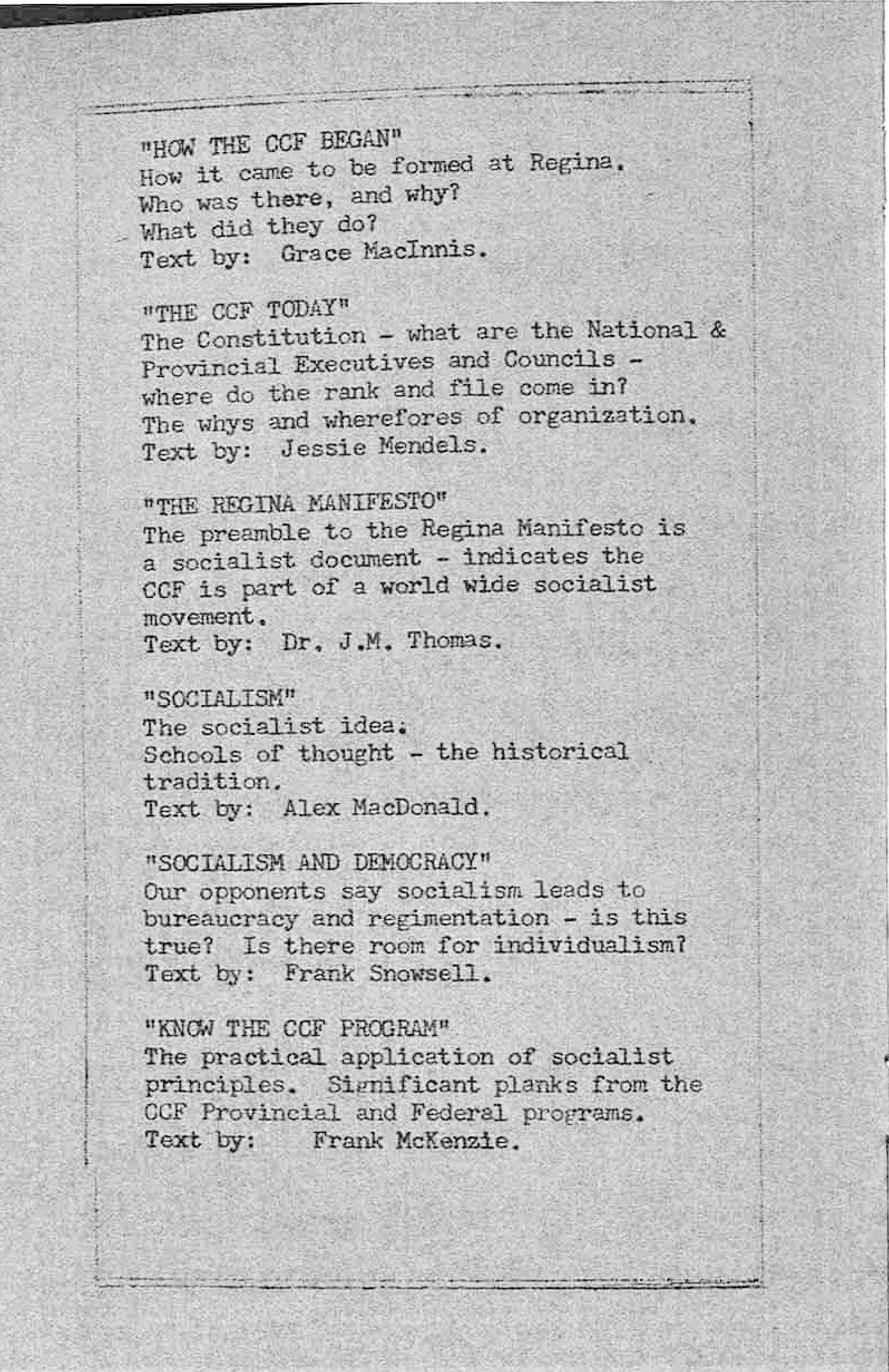
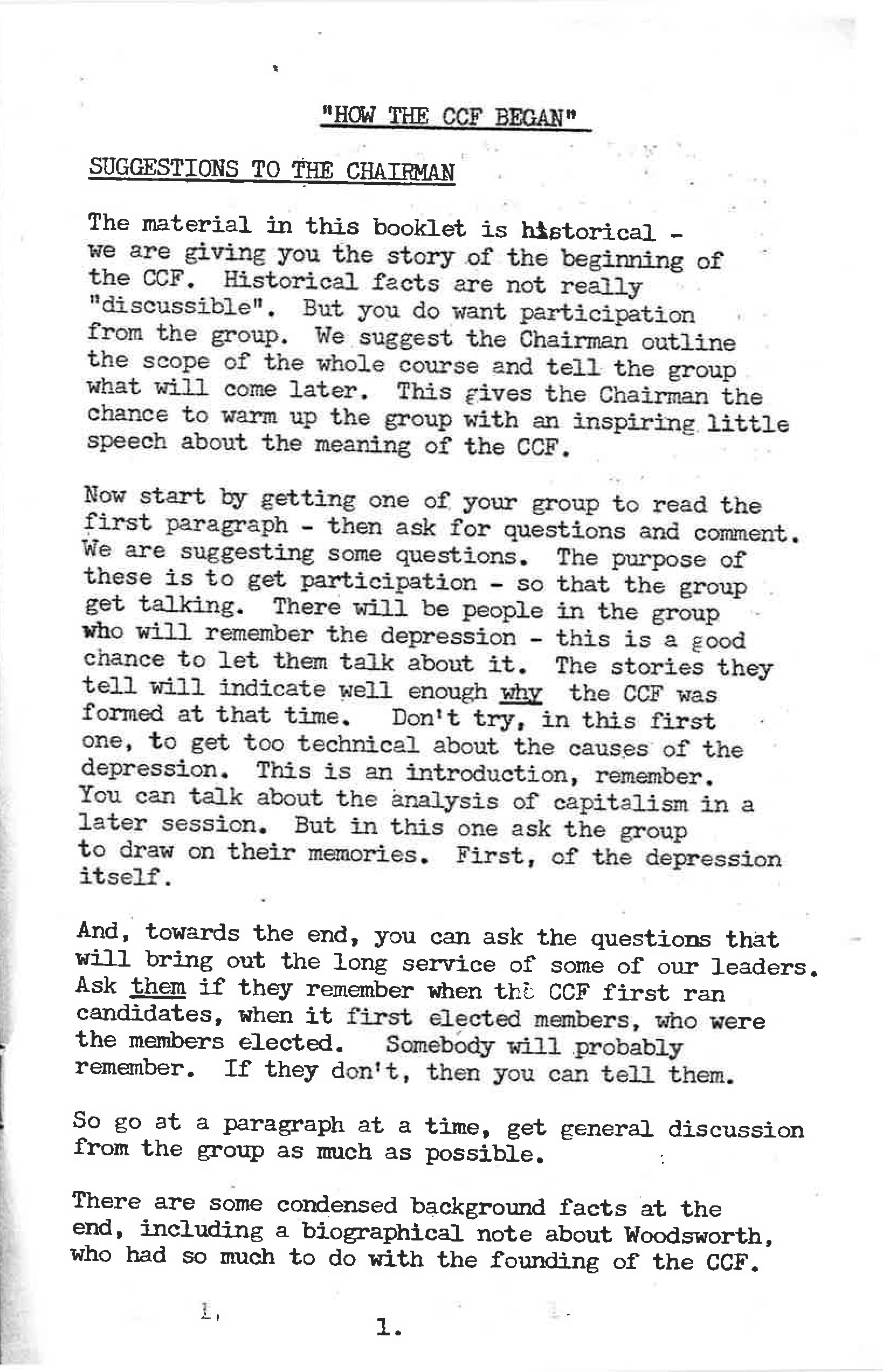
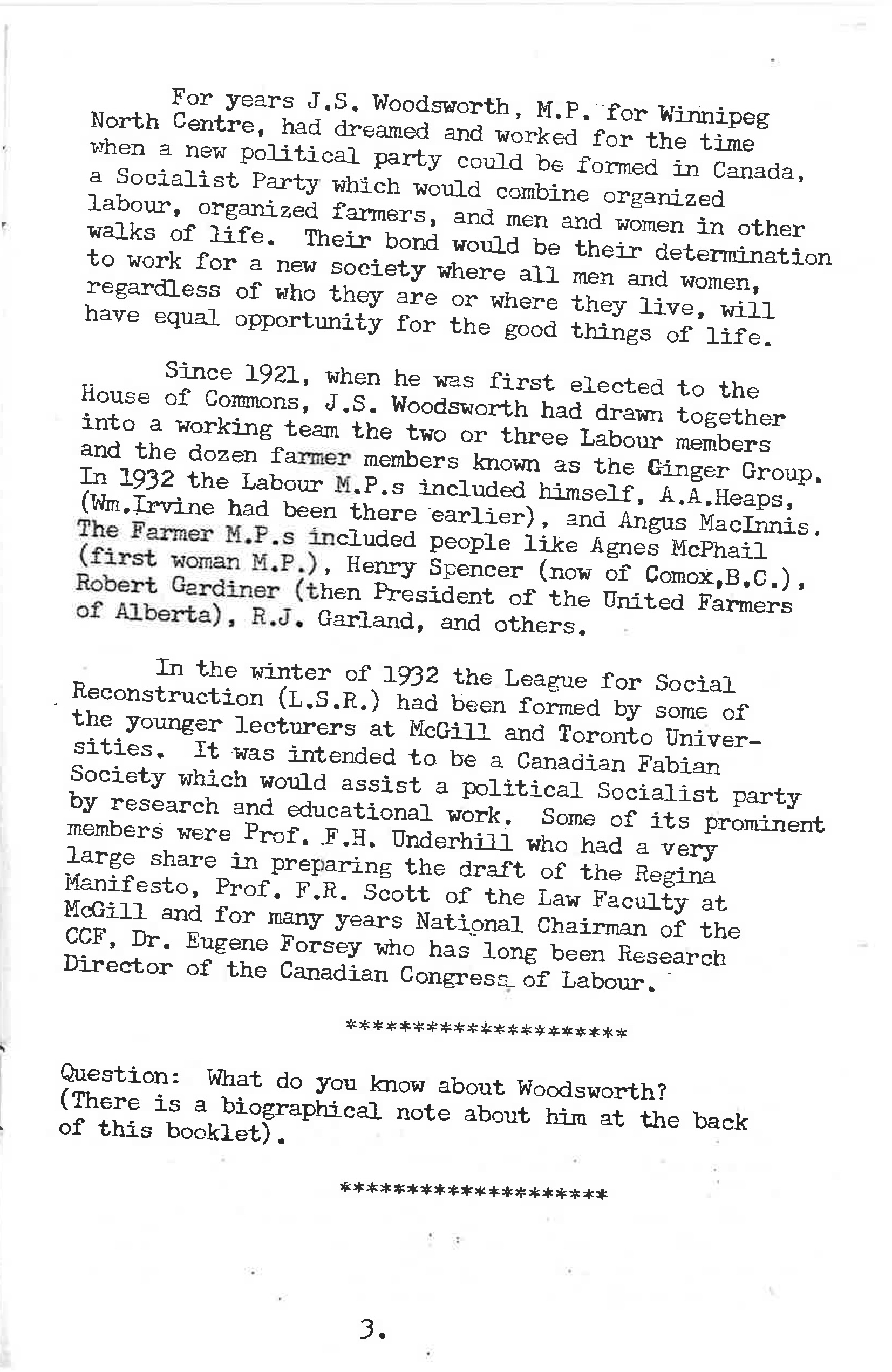
UnderstandingtheCCF_Page_1a UnderstandingtheCCF_Page_2a UnderstandingtheCCF_Page_2b UnderstandingtheCCF_Page_3a UnderstandingtheCCF_Page_3b UnderstandingtheCCF_Page_4a UnderstandingtheCCF_Page_4b UnderstandingtheCCF_Page_5a UnderstandingtheCCF_Page_5b UnderstandingtheCCF_Page_6a UnderstandingtheCCF_Page_6b

Editorial: Electoral status quo fails us all | Edmonton Journal

We need a new system that does a better job reflecting those commonalities. And one less likely to leave us feeling that if we vote for our favourite, we’ll just end up helping our least favourite win.

Source: Editorial: Electoral status quo fails us all | Edmonton Journal

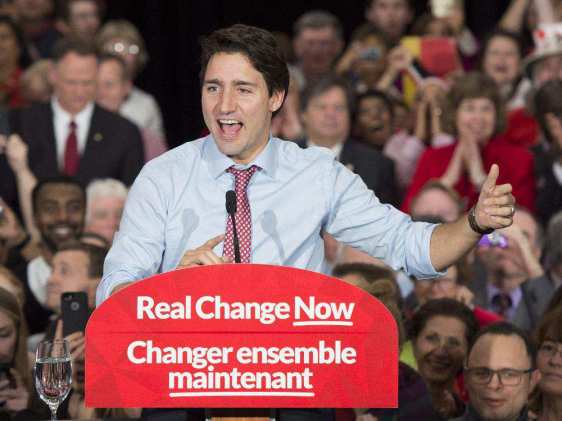
Justin Trudeau and His Liberals Take Canada With A Resounding Victory For The Ages….Just Saying….

SIGNED, SEALED AND DELIVERED!!!!

October 19, 2015         Andrew Phillip Chernoff     Just-sayingJust Saying….

Justin Trudeau and the Liberals started out in the Maritimes with a massive showing of red, and the momentum just carried them  westward, both in acquiring seats and  the popular vote.

Big defeat for the NDP.  A fitting outcome for Stephen Harper to end his political career. A crowning achievement for his legacy.

Every other party lost seats and popular vote to the Trudeau Liberal tsunami , which did not look back on the night.

Justin Trudeau joins his dad, Pierre Elliott Trudeau as the first father-son Prime Minister team in Canadian political history.

Just like his father, Justin Trudeau has managed during his political career to carve out his own political identity, communicating   it and shaping it eloquently in public and in social media to Canadians from coast-to-coast-to coast.

Canadians felt the best way to defeat Stephen Harper and his Conservatives, was to support Trudeau and the Liberals.

The message was signed, sealed and delivered.

Liberal strength was clear and decisive coming  primarily at the expense of the New Democrats more so than the Conservatives.

It did not take long for CBC to make its call for Justin Trudeau as the next Prime Minister of Canada, making that call at 6:40 pm Pacific Standard Time.

With the Liberals all but assured to become the federal party to lead Canada, the only question was majority or minority government.

Well, within three-quarters of an hour of calling Trudeau the next Prime Minister, CBC called a Liberal majority government, and the rest is history.

Trudeau and the Liberals now have to answer the bell of parliament and put action behind the hype, the rhetoric, the promises, and the bold statements of the election campaign.

The honour and privilege they have been given by Canadians, in taking Canada back from Harper and his Conservatives, for all Canadians, is fitting and caught the emotion and heart of Canadians……but was it all just political hype and propaganda carefully constructed and projected to get votes and become the government in Ottawa?.

One glaring image this historic night, were the Liberals and NDP changing positions with the 2015 election results compared to 2011, tarnishing the former NDP leader (Jack Layton) crowning achievement of the 2011 federal election: the seat total.

Canadians had four years to decide if the NDP and their leader Mulcair had what it took for the next step: the official government of Canada.

What is left for the NDP: to go backwards and take back what they had before the 2011 election—-regarding seats, they are already there with their seat total on the night; or, somehow salvage all that at one time promising defeated political talent, for the next election and rise like the figurative phoenix?

I guess time will tell.  If the federal NDP can dust themselves off, chose a more dynamic, engaging, charismatic leader that young and old alike can be moved and aroused by.  

Oh, wait…Justin Trudeau is already taken….Just Saying….

More to say in the coming days.


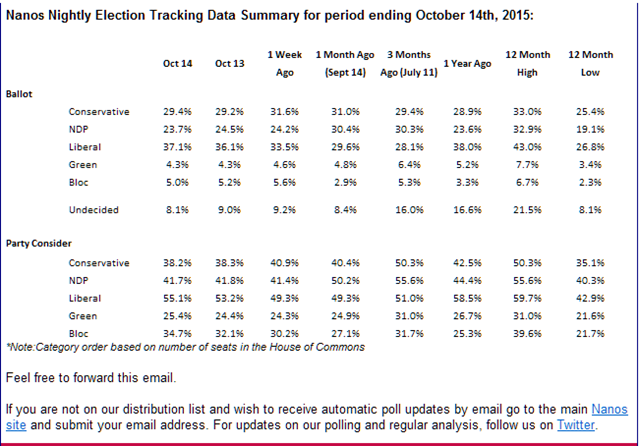
Nanos Nightly Ballot Tracking: Liberal (37.1%), Conservative (29.4%), NDP (23.7%), Green (4.3%) – Three-day Tracking Ending October 14th

Liberals hit an election high – largely at expense of the NDP

  • National Ballot – The latest Nanos nightly tracking has the Liberals at 37.1% followed by the Conservatives at 29.4%, the NDP at 23.7%, and the Greens at 4.3% nationally.
  • One Month Change –  A month ago it was practically a three way tie between the major parties in the federal election.  In the past 30 days the Liberals have gained about seven points (from 29.6% to 37.1%), the NDP have dropped about six points (from 30.4% to 23.7%) and the Conservatives have remained relatively unchanged (from 31.0% to 29.4%) factoring the margin of error for the research.

The team at Nanos in conjunction with Klipfolio have launched our new live political data portal where you run the numbers you want and can explore the trends and data you need.  This is part of our campaign, not only to provide the most reliable data to Canadians but to let them use it as they wish. We were the first to do nightly tracking and now we are the first research organization to post live public opinion data for Canadians.

We were the first to do nightly tracking and now we are the first research organization to post live public opinion data for Canadians. Here’s the link to check it out 

To view the detailed tracking stats please visit our website.

Methodology

A national random telephone (land + cell) survey using live agents of 1,200 Canadians is conducted by Nanos Research throughout the campaign over a three day period.  Each evening a new group of 400 eligible voters are interviewed.  The daily tracking figures are based on a three-day rolling sample comprised of 1,200 interviews.  To update the tracking a new day of interviewing is added and the oldest day dropped. The margin of error for a survey of 1,200 respondents is ±2.8%, 19 times out of 20.

The respondent sample is stratified geographically and by gender.  The data may be weighted by age according to data from the 2011 Canadian Census administered by Statistics Canada.  Percentages reported may not add up to 100 due to rounding.  The research has been registered with the Marketing Research and Intelligence Association of which Nanos is a member.

Results are based on the three day calling window October 11, 13 and 14, 2015. The research was commissioned by CTV News and The Globe and Mail.

image