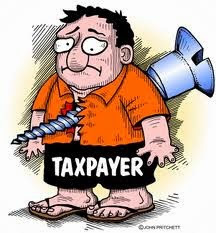
Taxpayers as bagholders – In-Sights

By on August 25, 2016

Normzig, “No matter how many speeches are made or how many permits are issued and how many rainbow forecasts are shown, the only way BC is getting LNG plants anytime soon is if they build them with taxpayer money.”

Reuters, Clyde Russell, Launceston, Australia, June 9, 2016

Conventional wisdom in the liquefied natural gas (LNG) sector is that no new projects will be built for several years, given the vast cost can’t be reconciled with the current low prices.

The wave of LNG building in recent years has seen eight projects being built in Australia, with five now operating and the remaining three nearing completion, and five in the United States, the first of which has starting shipping cargoes.

The era of mega-LNG projects appears to be over, at least for now.

The average breakeven cost for the recent projects is $12.60 per mmBtu, a price well above the current levels.

Substantial volumes of additional LNG that can come to market in the coming years from existing facilities at considerably lower prices when compared to the huge cost of developing new plants …

lng

LNG World News, August 23, 2016:

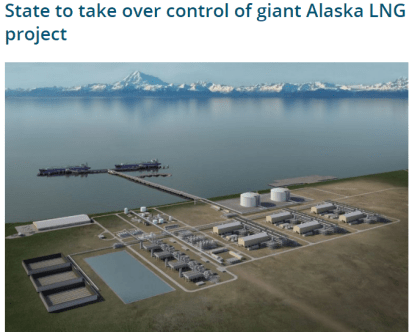
The Alaska Gasline Development Corp, owned by the state of Alaska, said it plans to assume full management of the $45 billion-plus Alaska LNG Project by the end of this year.

…Once transitioned, the Alaska Gasline Development Corporation will be responsible for managing the project going forward including applying for regulatory approval, securing the commercial commitments from gas sellers, shippers, and buyers necessary to acquire the equity and debt financing that will be required to complete the project and prepare to start.

industry

Translation:

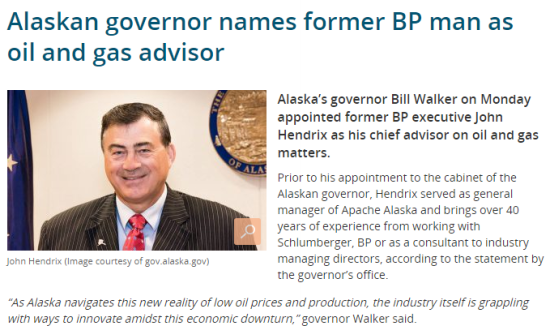
When we initiate creative ways for taxpayers to subsidize oil and gas, there’s nothing better than having another of their senior people help us transfer investment risks to the public while still ensuring that profits stay with the industry.
taxpayer

Source: Taxpayers as bagholders – In-Sights

Gas & petroleum rights sale, Aug/16 — In-Sights

The Crown Petroleum and Natural Gas Rights Public Tender brought in $950,121 this week, raising the 2016 eight month total to $5.8 million. 2015 and 2016 are the two worst years among the last 20. It’s another bad result for a Premier who ran the last election on a claim that large natural gas revenues would result in a debt-free, sales tax free BC.

via Gas & petroleum rights sale, Aug/16 — In-Sights

Pending: shift of sales tax from businesses to individuals — In-Sights

When a small but politically influential group advocates change to reduce their taxation by $2+ billion a year, they want the rest of us paying instead. With the potential reward so large, the province’s business leaders will remain persistent in demanding relief from sales taxes. Because they’ve invested millions of dollars in the BC Liberal Party, they expect success. Business benefits directly from infrastructure and services financed by taxpayers. They expect safe and orderly communities; they expect police and fire protection; they want educated workers, communication and transportation systems; and they want utilities to serve their offices, factories and warehouses. They want those things; they just want others to pay for them.

via Pending: shift of sales tax from businesses to individuals — In-Sights

One way or another, we’ll pay — In-Sights

Journalism should be at the root of the journalism business. Instead, daily publishers cut the news staff in half and charge twice as much for inferior content. Consumers responded by walking away. Rather than improving the output and persuading news consumers to pay for content, media moguls aim to have the Trudeau Government bail out their news businesses. It will happen too because Liberals have always been willing to spend public money if private advantage was there to be gained.

via One way or another, we’ll pay — In-Sights

$4.9 billion extra generated by IPPs, updated — In-Sights

BC Hydro has been managed to deliver billions of dollars in benefits to independent power producers. Had IPPs been left to sell their product to the same free market that BC Hydro trades into, they would have gained 4.9 billion fewer revenue dollars since 2003.

via $4.9 billion extra generated by IPPs, updated — In-Sights