New catalyst paves way for bio-based plastics, chemicals

PULLMAN, Wash. – Washington State University researchers have developed a catalyst that easily converts bio-based ethanol to a widely used industrial chemical, paving the way for more environmentally friendly, bio-based plastics and products.

The researchers have published a paper online describing the catalyst in the Journal of the American Chemical Society and have been granted a U.S. patent.

The chemical industry is interested in moving away from fossil fuels to bio-based products to reduce environmental impacts and to meet new regulations for sustainability, said Yong Wang, Voiland Distinguished Professor in the Gene and Linda Voiland School of Chemical Engineering and Bioengineering.

The catalyst works on bio-based ethanol to create isobutene used in plastics and other products.

The industry has traditionally made a widely used chemical called isobutene – used in everything from plastic soda bottles to rubber tires – by superheating crude oil. But in collaboration with the Archer Daniels Midland (ADM) Company, Wang and his colleagues developed a catalyst to convert bio-based ethanol, which is made from corn or other biomass, to isobutene in one easy production step.

The researchers examined the costs and lifetime of their catalyst to determine its practicality for the marketplace and determined that it could be used for other closely related feedstocks. They also discovered just how their catalyst works, knowledge that could be used to design more efficient catalysts for a wide range of applications.

In addition to ADM, the work was supported by a grant from the Department of Energy (DE-AC05-RL01830, FWP-47319).

“This is one example that shows the benefits of closely linking the practical and fundamental aspects of research to develop scalable and commercially practical catalysts for applications of importance to industries,” said Wang, who holds a joint appointment in the U.S. Department of Energy’s Pacific Northwest National Laboratory.

Source: Washington State University

Source: New catalyst paves way for bio-based plastics, chemicals | Science Codex

Stress in older people increases risk for pre-Alzheimer’s condition

December 11, 2015–(BRONX, NY)–Feeling stressed out increases the likelihood that elderly people will develop mild cognitive impairment–often a prelude to full-blown Alzheimer’s disease.

In a new study, scientists at Albert Einstein College of Medicine and Montefiore Health System found that highly stressed participants were more than twice as likely to become impaired than those who were not. Because stress is treatable, the results suggest that detecting and treating stress in older people might help delay or even prevent the onset of Alzheimer’s.

The findings were published online today in Alzheimer Disease & Associated Disorders.

Each year, approximately 470,000 Americans are diagnosed with Alzheimer’s dementia. Many of them first experience mild cognitive impairment–a pre-dementia condition that significantly increases the risk of developing Alzheimer’s in the following months or years.

This study looked at the connection between chronic stress and “amnestic mild cognitive impairment” (aMCI), the most common type of MCI, which is primarily characterized by memory loss.

“Our study provides strong evidence that perceived stress increases the likelihood that an older person will develop aMCI,” said Richard Lipton, M.D., senior author of the study, vice chair of neurology at Einstein and Montefiore, and professor in the Saul R. Korey Department of Neurology and the Edwin S. Lowe Chair of Neurology at Einstein.

“Fortunately, perceived stress is a modifiable risk factor for cognitive impairment, making it a potential target for treatment.”

“Perceived stress reflects the daily hassles we all experience, as well as the way we appraise and cope with these events,” said study first author, Mindy Katz, M.P.H., senior associate in the Saul R. Korey Department of Neurology at Einstein.

“Perceived stress can be altered by mindfulness-based stress reduction, cognitive-behavioral therapies and stress-reducing drugs. These interventions may postpone or even prevent an individual’s cognitive decline.”

The researchers studied data collected from 507 people enrolled in the Einstein Aging Study (EAS), a community-based cohort of older adults.

Since 1993, the EAS has systematically recruited adults 70 and over who live in Bronx County, NY. Participants undergo annual assessments that include clinical evaluations, a neuropsychological battery of tests, psychosocial measures, medical history, assessments of daily-living activities and reports (by participants and those close to them) of memory and other cognitive complaints.

Starting in 2005, the EAS began assessing stress using the Perceived Stress Scale (PSS). This widely used 14-item measure of psychological stress was designed to be sensitive to chronic stress (due to ongoing life circumstances, possible future events and other causes) perceived over the previous month. PSS scores range from 0 to 56, with higher scores indicating greater perceived stress.

The diagnosis of aMCI was based on standardized clinical criteria including the results of recall tests and reports of forgetfulness from the participants or from others. All 507 enrollees were free of aMCI or dementia at their initial PSS assessment and subsequently underwent at least one annual follow-up evaluation. They were followed for an average of 3.6 years.

Seventy-one of the 507 participants were diagnosed with aMCI during the study. The greater the participants’ stress level, the greater their risk for developing aMCI: for every 5 point increase in their PSS scores, their risk of developing aMCI increased by 30 percent.

Similar results were obtained when participants were divided into five groups (quintiles) based on their PSS scores. Participants in the highest-stress quintile (high stress) were nearly 2.5 times more likely to develop aMCI than were people in the remaining four quintiles combined (low stress).

When comparing the two groups, participants in the high-stress group were more likely to be female and have less education and higher levels of depression.

To confirm that stress was independently increasing risk for aMCI in this study, the researchers assessed whether depression–which increases the risk for stress as well as for cognitive impairment and Alzheimer’s disease–might have influenced the results.

They found that depression did not significantly affect the relationship observed between stress and the onset of aMCI. Similarly, stress’s impact on cognitive status was unaffected if participants possessed at least one e4 allele of the APOE gene, which increases their risk for developing late-onset Alzheimer’s.

The study is titled “Influence of perceived stress on incident amnestic mild cognitive impairment: Results from the Einstein Aging Study.”

source: Albert Einstein College of Medicine

Source: Stress in older people increases risk for pre-Alzheimer’s condition | Science Codex

Insects Other Than Bees are Important Crop Pollinators, Say Scientists

This image shows a syrphid fly, a common non-bee crop pollinator. Image credit: Tobias Smith.

This image shows a syrphid fly, a common non-bee crop pollinator. Image credit: Tobias Smith.

Dec 1, 2015 by Natali Anderson

According to a large multinational team of scientists led by University of New England researcher Dr Romina Rader, non-bee insects – flies, beetles, moths, butterflies, wasps, and ants – are efficient pollinators providing 39 percent of visits to crop flowers.

“Non-bee insects are an insurance against bee population declines,” said team member Dr Margie Mayfield, of the University of Queensland.

“We are trying to get the message out there to use scientific findings such as these to promote a change in agricultural practices.”

Dr Rader, Dr Mayfield and their colleagues analyzed data from 480 fields for 17 crops examined in 39 studies on five continents.

They discovered that non-bee insects performed around 39% of the total number of flower visits.

“Although non-bees were less effective pollinators than bees per flower visit, they provided slightly more visits,” Dr Rader explained.

“These two factors compensated for each other, resulting in pollination services similar to bees.”

She added: “non-bee insect pollinators had other advantages. Fruit set in crops increased with non-bee insect visits, independently of bee visitation rates, indicating that non-bee insects provide a unique benefit not provided by bees.”

“We also found that non-bee pollinators were less sensitive to habitat fragmentation than bees.”

The findings were published this week in the journal Proceedings of the National Academy of Sciences.

“A shift in perspective from a bee-only focus is needed for assessments of crop pollinator biodiversity and the economic value of pollination,” the scientists said.

“These studies should also consider the services provided by other types of insects – important pollinators that are currently overlooked.”

_____

Romina Rader et al. Non-bee insects are important contributors to global crop pollination. PNAS, published online November 30, 2015; doi: 10.1073/pnas.1517092112

Source: Insects Other Than Bees are Important Crop Pollinators, Say Scientists | Biology | Sci-News.com

For Hypertension Patients, Nearly Half Lack Proper Care

by Lila Abassi  

A recent report published by the Centers for Disease Control and Prevention provides data that shows about 47 percent of Americans who have been diagnosed with high blood pressure are not adequately controlling it. Though concerning, it’s an improvement from data published in 1999 that revealed about 68 percent of Americans had high blood pressure that was not controlled.

Overall, about 29 percent of adults in the United States have hypertension. That would mean roughly 76 million Americans over the age of 20 have high blood pressure. Without being a mathematician roughly half of that number is a very high number. “I don’t think we have enough positive information to be cheering,” stated Patrick O’Gara, MD, executive medical director of the Carl J. and Ruth Shapiro Cardiovascular Center at Brigham and Women’s Hospital in Boston. “Although the trend is positive, the magnitude of the problem is self-evident. We have a lot of work to do.”

The reason why this is problematic is that high blood pressure directly increases cardiovascular risk. Hypertension or high blood pressure is the most common reason for nonpregnant adult visits to clinicians. There are several possible reasons that can account for why blood pressure remains such a difficult problem to treat. There may be poor access to healthcare and medications, lack of adherence to medications, especially considering most people with high blood pressure are usually asymptomatic and immediate benefits of taking medications may not be so obvious. We often do not fear what we cannot see, therefore high blood pressure is aptly named “the silent killer.” The other reason could be that clinicians may not be as aggressive about adjusting medications when patients are found to be hypertensive. All these reasons will likely continue to contribute to making hypertension the most common risk factor for heart attack and stroke.

According to the most recent definitions for hypertension anything above 140/90 (the systolic and diastolic blood pressure respectively) is considered high blood pressure. Normal is below 120/80 and anything in between is considered pre-hypertension. There has been considerable controversy surrounding optimal blood pressure levels. The recent landmark SPRINT trial revealed that blood pressure readings below 120/80 were the most beneficial in preventing serious adverse events such as heart attacks, strokes and death. In fact, the data from the study was so compelling that they cut the trial short to discuss the benefits of aiming for tighter blood pressure control.

High blood pressure is something that can be controlled, for the most part, making it a modifiable risk factor for developing cardiovascular disease (CVD). It is more prevalent than other modifiable risk factors such as high cholesterol, smoking or diabetes. With adequate blood pressure surveillance (frequent monitoring at home), and treatment it would be very possible to significantly reduce rates of heart attacks, strokes.

The federal Healthy People 2020 goal is to have the percentage of Americans with uncontrolled hypertension below 40. While there may have been some confusion before, we are no powered with the knowledge that lower is better. I feel that greater effort should be put forth in making this a national priority and if an aggressive campaign is launched there is a real possibility we can meet and or exceed that goal.

Source: For Hypertension Patients, Nearly Half Lack Proper Care – American Council on Science and Health

Chinese medicine trial for dementia patients

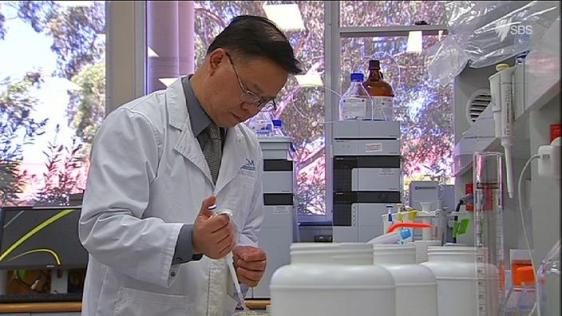
Researchers from the National Institute of Complementary Medicine at the University of Western Sydney, today launched the final phase of a clinical trial into a herbal remedy known as Sailuotong (SLT), after pilot studies found the product could improve the memory and cognitive function of dementia patients.

“It’s very exciting…it’s taken us 10 years to get here,” Chief Investigator from the National Institute of Complementary Medicine (NICM), Associate Professor Dennis Chang said.

“We are looking at some medication which can slow down the progression and improve the quality of life of patients.”

More than 340,000 Australians are living with dementia, with a new case diagnosed every six minutes.

Behind Alzheimers, vascular dementia is the second most common form of dementia, often characterised by mini strokes, however there is no cure or any approved medication for patients to take.

“We are looking into potentially, one of the early  approved medications for vascular dementia,” Associate Professor Chang said.

Sailuotong is a pill made up of a complex combination of ginko, ginseng and saffron.

“We are not simply throwing those three herbs into a pot and boil and drinking them,” Chang said.

“There is lots of science behind that… We use different methods to bring out the so called bioactive components of them,” he added.

The $3-million study is a joint project with the Xiyuan Hospital and the China Academy of Chinese Medical Sciences in Beijing.

The Australian study will be followed by a second major trial in China.

“If the two trials prove to be successful or to be effective then the next phase would be to look into registration (of the product) with a regulatory body such as the Therapeutic Goods Administration,” Associate Professor Chang said.

Today’s launch of the clinical trial, involving 230 patients at the University of Western Sydney’s Campbelltown campus, was attended by Chinese Government delegates.

The director of the National Institute of Complementary Medicine, Professor Alan Bensoussan, said the recognition from the Chinese authorities was extraordinary, and showed the importance of the trial.

“What you’ve got is a recognition at state level of the kind of research that we’re doing,” Professor Bensoussan said.

He said the pilot studies had been promising.

“All the signs are very positive in terms of the potential [of the herbal remedy] to impact on a number of areas including improving blood flow to the brain which is one of the contributors to vascular dementia,” Professor Bensoussan said.

Burt Lancaster, 70, who suffers from vascular dementia, welcomed news of the trial.

“It would be great to be able to remember things…I’d love it,  I would, as far as my memory goes, I really would love it,” Mr Lancaster said.

Mr Lancaster’s wife Margaret noticed his memory was failing him two years ago, and said her husband is now completely reliant on her.

“The other morning he got up and said he didn’t know where he was…every day it’s getting worse,” Mrs Lancaster said.

Mrs Lancaster said while the physical strain was one thing, the social impact of the disease could also be devastating.

“People avoid you, they avoid you with this complaint,” she said.

Vascular dementia patients will first be recruited for the trial from five hospitals in New South Wales, and later in Melbourne, Brisbane, Adelaide and Perth.

The group will be separated into two trial groups, with one receiving the active ingredients and the other put on a placebo for a period of one year.

Trial results are expected in four years.

Source: Chinese medicine trial for dementia patients | SBS News