Between 2002 and 2012, #bced lost 770 Special Education teachers while the # of students with special needs increased pic.twitter.com/z2yPMTETVq
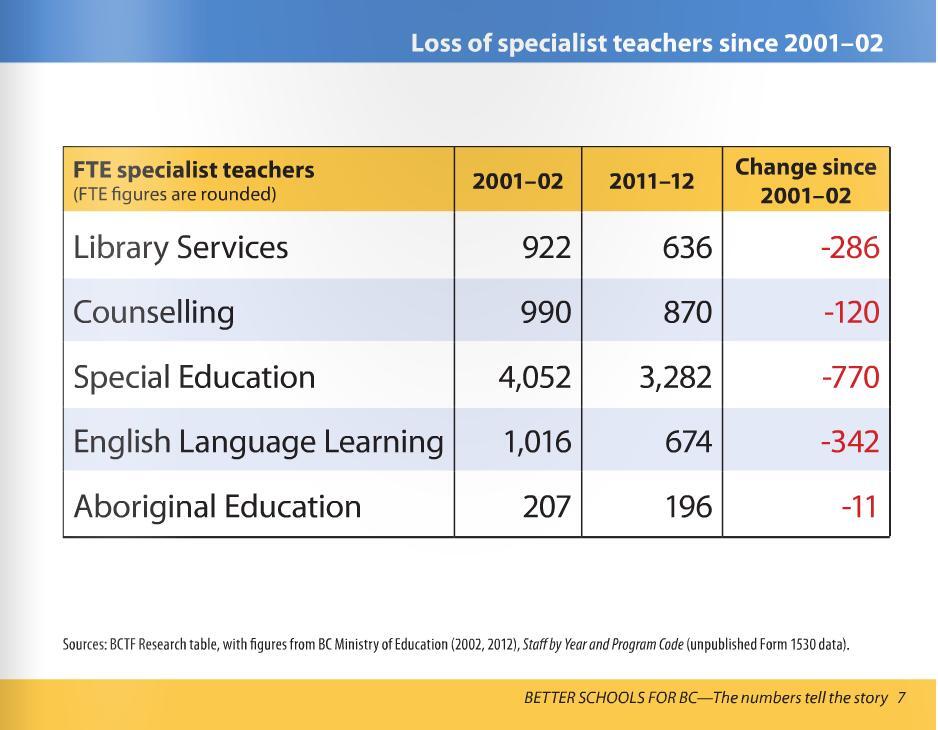

Between 2002 and 2012, #bced lost 770 Special Education teachers while the # of students with special needs increased pic.twitter.com/z2yPMTETVq
In 2012/13, there were 14,885 #bced classes with 4 or more students with special needs. Highest ever. #bcpoli pic.twitter.com/ZPv8BLzwmi
— BCTF (@bctf) November 21, 2013

Rob Shaw / Times Colonist
November 23, 2013 10:29 PM

Newly appointed President of the BC NDP party Craig Keating addresses a crowd at the British Columbia NDP Convention in Vancouver, B.C. Sunday, Nov.17, 2013. Photograph by: JONATHAN HAYWARD, The Canadian Press
The B.C. NDP’s new president admits he’s facing a daunting task in regrouping his party after a devastating loss in the May provincial election.
Craig Keating, a North Vancouver councillor who was elected president at the party’s convention last weekend, said he’s got a clear mandate from New Democrats to modernize party organization and reach out to ridings where the NDP didn’t win to help craft a strategy for success in 2017.
“I’d be lying if I didn’t think it was daunting,” Keating said in an interview. “It’s not because the party is in disorder. There’s no doubt about it, we lost the election and we have debt to deal with, but there’s lots of positives. We have identified tons of supporters, we identified lots of volunteers … but nonetheless, the project here is: How do we win? And that’s my focus.”
Keating took over the presidency from Moe Sihota, the former NDP cabinet minister and Victoria-area MLA.
One of Keating’s first challenges will be to set up the leadership race to replace Adrian Dix, who announced his intention to resign after the NDP blew a perceived lead in the election and lost to Christy Clark’s B.C. Liberals.
The NDP’s provincial council has set the vote for fall 2014, and Keating said the NDP needs to find a facility, set entry fees and finalize race rules. “People aren’t going to get into the race until they know what the rules are,” he said.
The NDP still has $1.7 million in debt left from its election campaign, and Keating said he will need to creatively tackle fundraising to retire the loans and begin building a new war chest.
The party also needs to modernize the computer system it uses to contact voters, and keep organizers active in ridings where it lacks MLAs but thinks it can win, he said. The NDP must “build up a stock of goodwill” among volunteers and party members who have expressed unhappiness at how their involvement has been reduced to cutting donation cheques, he said.
“We need to start getting in touch with some people in communities across this province where we’re not elected, and start talking about what their realities are and how do we get a vision that’s going to get people out of their seats and voting for us in the next election,” he said.
There’s also the matter of messy internal grudges.
Documents at the NDP convention revealed the party still has four outstanding formal complaints against MLAs who helped overthrow former leader Carole James. An oversight committee recommended Keating deal with the situation quickly.
However, Keating said he has other priorities. “The file, in a literal sense, has not been handed to me,” he said. “It’s not on my immediate radar screen.”
There’s also a push to take a recent report into how the NDP blew the election and turn it into some sort of concrete action, Keating said.
“I encourage people to continue to reflect on what went wrong, but in the way of constructive criticism of what we do next,” he said.
© Copyright 2013


Vancouver (26 Sept. 2013) – Darryl Walker, President of the B.C. Government and Service Employees Union (BCGEU/NUPGE) presented a submission to the Select Standing Committee on Finance and Government Services in Port Coquitlam on September 24.
The submission calls for an investment in public services and provides ideas for new and increased sources of government revenue.
It also “challenges the government to take steps to support workers, families and communities, and to revitalize our province’s economy by making targeted investments in green infrastructure projects to prompt real and sustainable job creation and economic growth, and by investing in key public services that will assist British Columbians recovering from prolonged economic hardship.”
You can read the full submission here.
Sara Norman September 15, 2013 http://www.news1130.com
VANCOUVER (NEWS1130) CUPE’s BC Education Sector has voted to strike if they can’t reach a deal in the next round of bargaining.
Now, the B-C Teachers’ Federation President Jim Iker is warning in the event of a strike, teachers will stand on the picket line in solidarity.
CUPE will be at the bargaining table Monday through Wednesday.
If the government doesn’t improve it’s latest two-year contract offer to CUPE, which the union claims will actually be less than their current contract, education assistants and support workers will take strike action.
In an email to members, the BCTF says CUPE is not optimistic a deal can be reached without a walkout.
But Iker says they’re still hopeful they can negotiate a fair deal for teachers and CUPE by working together.
Bargaining for the BCTF has been suspended until October while the union is in BC Supreme Court readdressing a 2011 ruling.
At that time, a judge found the provincial government violated constitutional rights when they took away some bargaining rights for teachers.
 Andrew Phillip Chernoff