Rogers blacks out NFL games on Twitter in Canada

JOHN KRYK, POSTMEDIA NETWORK

Sept 15, 2016

Canada is one of the few countries in the world where the first ‘tweetcast’ in NFL history cannot be viewed.

Rogers is blacking out tonight’s New York Jets at Buffalo Bills game on Twitter, coast to coast.

The NFL has arranged for the next 10 Thursday Night Football telecasts to be streamed live on Twitter, accessible either on the social media giant’s website or app. That is, the root TV feed from either CBS (this week) or NBC can be watched live, for free, on mobile phone, tablet, PC or connected TV.

Rogers Communications Inc.’s Sportsnet cable network owns Canadian multi-media rights to Thursday Night Football.

“Unfortunately, Canadian football fans won’t be able to stream the game on Twitter due to local broadcast considerations via Rogers,” Cameron Gordon, communications director for Twitter Canada, said Thursday morning in an email, without elaboration.

Rogers Communications Inc., through a spokesperson, provided the following explanation:

“In April when the announcement was first made by the NFL and Twitter, we clarified that the deal does not include the Canadian market. As per our licencing agreement with the NFL, Sportsnet is the exclusive Canadian rights holder to the Thursday NFL package this season.”

Since announcing the initiative in April, the NFL has been touting that these 10 games will be “streamed to a global audience across devices for free on Twitter.”

That, indeed, will be the case in other large countries where the NFL is popular, including the U.K., Mexico, Germany, Brazil and Australia, Postmedia is informed.

Just not in Canada.
Source: Rogers blacks out NFL games on Twitter in Canada

Mining Threatens UNESCO World Heritage Sites in Canada

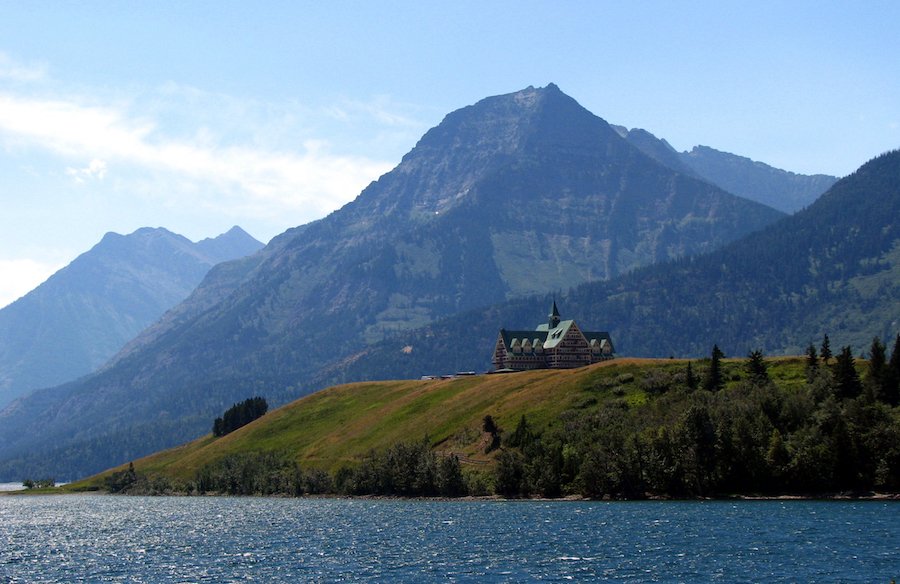
Waterton Glacier International Peace Park (Photo: CGP Grey, Wikimedia Commons).

By Valentina Ruiz Leotaud  Sept 15, 2016

Almost one-third of threats to Canadian World Heritage Sites in the past three decades have been the product of both mining and oil and gas operations, CBC reported quoting information from the United Nations Educational, Scientific and Cultural Organization.

Out of 75 documented threats against a total of nine designated natural and cultural sites, 23 belong to the “physical resource extraction” category.  Most of them, occurred in the first 13 years of the new millennium when energy prices reached record highs.

Wood Buffalo in northern Alberta was the focus of attention in the organization’s latest report, which dates back to 2015. The national park received nine reports, one of which relates to Teck Resources’ proposal for its Frontier open-pit mine which falls partially within a watershed sub-basin that flows directly in the property into Lake Claire, the largest lake within the Peace-Athabasca Delta.

In a petition filed in December 2014, the Mikisew Cree said that the Frontier Mine would be “the first mine within the last remaining intact forest and ungulate habitat that is contiguous with the WBNP. As such, the Frontier Mine provides the most direct threat to the PAD from an oil sands development to date.”

UNESCO says that the Peace-Athabasca Delta also faces potential dangers from a breach of a tailings pond, given the number of oil sands tailings ponds that are located along the Athabasca River.

To read more, click the link:  Mining threats UNESCO World Heritage Sites in Canada | MINING.com

Canada’s real estate sector at high risk of money laundering, report warns 

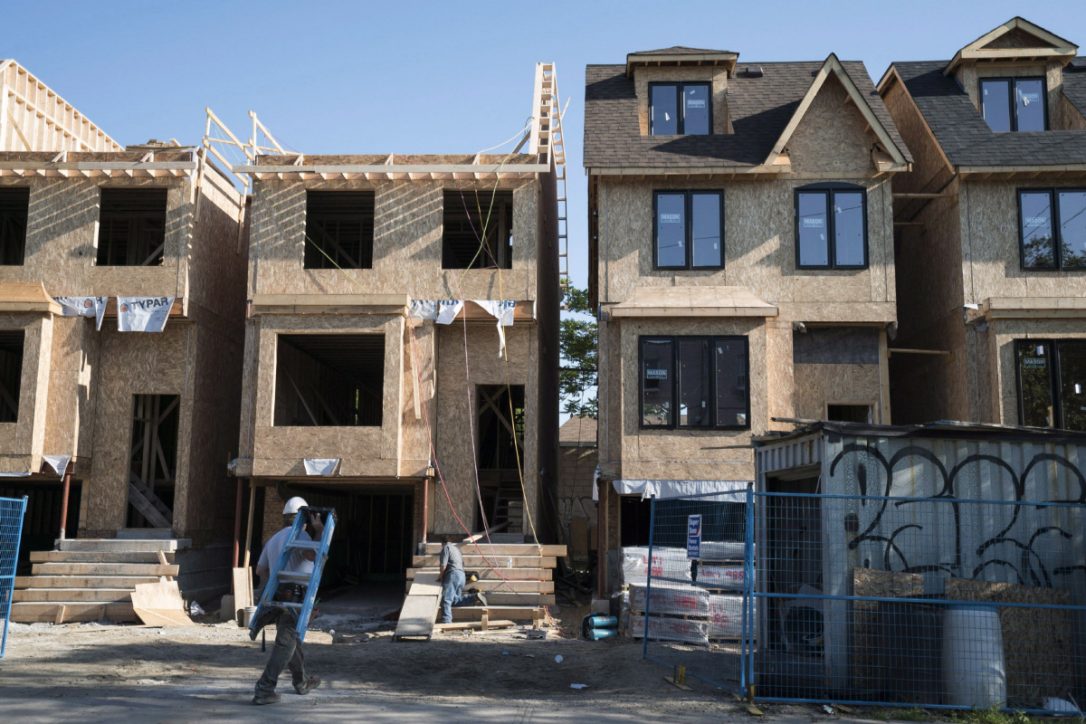
A report from the Paris-based Financial Action Task Force makes special note of the real estate sector as an area of the economy with a high risk of illicit activity. (GRAEME ROY / THE CANADIAN PRESS FILE PHOTO)

A task force reviewing anti-money laundering efforts uncovered serious concerns that organized crime is using the hot real estate sector to illegally funnel cash.

OTTAWA—An in-depth review of Canada’s anti-money laundering efforts has uncovered serious concerns that organized crime is using the country’s hot real estate sector to illegally funnel cash.

The report from the Paris-based Financial Action Task Force makes special note of real estate as an area of the economy with a high risk of illicit activity, one of a few weak spots in what the report calls a comprehensive federal regime to combat money laundering and terrorist financing.

The charitable and life insurance industries are also identified in the report as sectors at risk of providing financial help to terrorists and criminals.

To read more, click the link:  Canada’s real estate sector at high risk of money laundering, report warns | Toronto Star

Canada housing sector cools as households hit record debt

reuters.com

Thursday September 15, 2016

By Andrea Hopkins

OTTAWA, Sept 15 (Reuters) – Canada’s most expensive housing market braked sharply in August and the nation’s long housing boom had begun to cool, while consumer debt levels hit a new record in the second quarter, separate data showed on Thursday.

While a housing slowdown could be the start of a long-feared housing crash or a much-needed moderation, the bump up to fresh highs in household debt will reinforce the Bank of Canada’s concern about financial instability in a country where expensive housing has pushed consumers to the brink.

To read more, click the link:  WRAPUP 1-Canada housing sector cools as households hit record debt | Kitco News

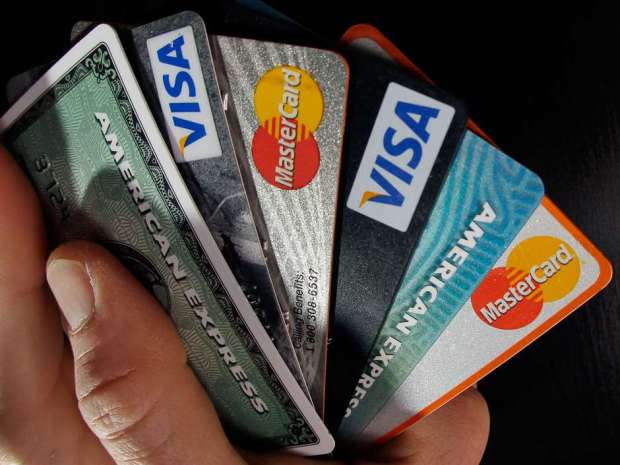
Canada’s household debt is now bigger than its GDP, for the first time

The ratio of household credit market debt to disposable income climbed to 167.6 per cent in the second quarter compared with 165.2 per cent in the first quarter.

OTTAWA — The appetite of Canadians for debt continues to grow to record levels.

The ratio of household credit market debt to disposable income climbed to 167.6 per cent between April and June, compared with 165.2 per cent in the first quarter, Statistics Canada said Thursday.

That means that households now owe about $1.68 in credit market debt for every dollar of disposable income.

Put another way, household debt now exceeds the country’s gross domestic product for the first time.

To read more, click on the link: Canada’s household debt is now bigger than its GDP, for the first time | Financial Post